Music #1
Violin Lessons
Private violin lessons for children from age 5 to adult beginners. Specialist teachers guide you from holding the violin and bow, to finding the right pitch without frets, to playing a sweet melody and sitting ABRSM or Trinity grade exams. The Suzuki method is available for younger children.




210+
tutors
1,300+
students
4.9
rating · 1,064 reviews
60+
cities
What is Violin Lessons?
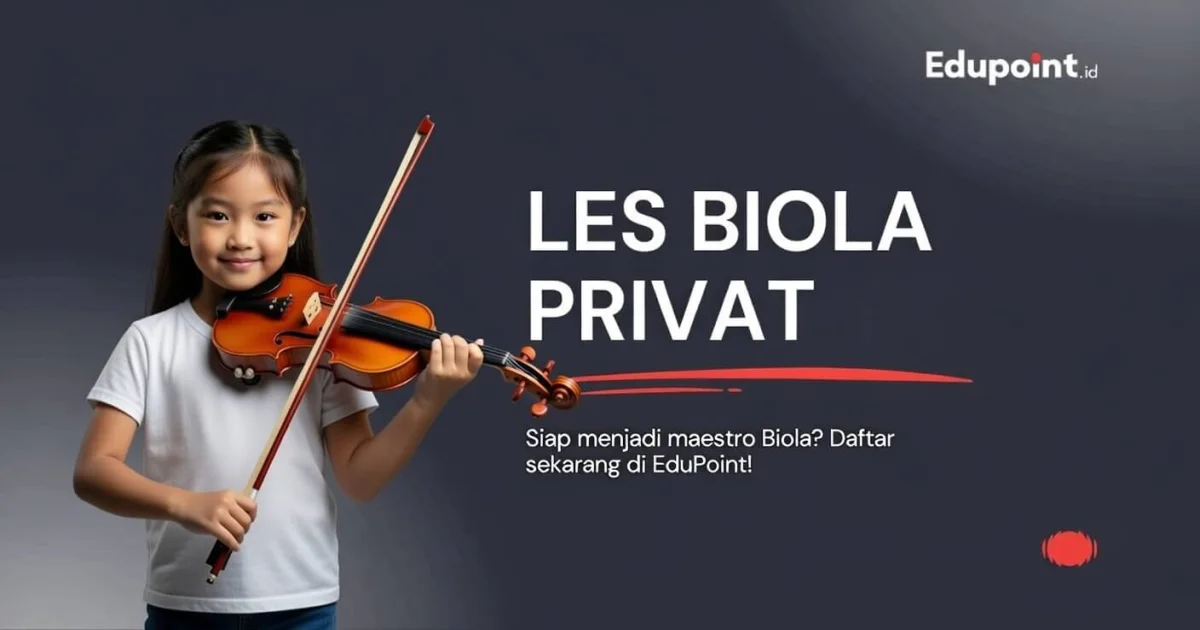
Violin lessons are one-on-one violin tuition with a professional teacher. The violin is a fretless bowed string instrument, so every note is found by ear and muscle memory, with no marked position to press. The material covers posture and bow hold, intonation (pitch accuracy), bowing technique to produce tone, vibrato, hand position shifting, and reading sheet music. The Suzuki method is available for children from age 5, alongside the classical ABRSM and Trinity pathways and orchestra preparation. Choose in-person lessons at home or online via Zoom.
- For children from age 5 (Suzuki method) through adult beginners
- Focus on fretless intonation, bowing technique, and vibrato
- ABRSM and Trinity Grade 1-8 exam preparation
- Violin sizing by age: 1/8, 1/4, 1/2, 3/4, up to 4/4
- Preparation for school, campus, and community orchestras
- In-person across 50+ cities or online via Zoom
Services
Choose Your Violin Lesson Setup
A teacher at home correcting posture and bow angle in person, an online class with the camera on your left hand and bow, or a paired class to practise playing together
In-Person Lessons
A violin teacher comes to your home, correcting posture and bowing up close
Rp 78.000/session
60 minutes
- On-the-spot correction of posture, bow hold, and finger placement
- Intonation guidance with the teacher's ear right beside you
- Use your own violin or get buying advice
- Ideal for beginners and children who need hand guidance
Online Lessons
Via Zoom with the camera angled on your left hand and bow
Rp 78.000/session
60 minutes
- Flexible from anywhere
- Session recording to repeat practice
- Digital sheet music and scale exercises
- Great for intermediate students and busy schedules
Pair/Trio Lessons
Learn with 1-2 friends, focusing on playing together and matching intonation
Rp 78.000/session
60 minutes
- Practice playing in unison and tuning together
- Preparation for ensemble or small orchestra
- More affordable per person
- Great for siblings or classmates
Violin Learning Pathways
Choose a pathway by age and goal, from young children on the Suzuki method to orchestra preparation
Many students start on the classical pathway then add pop or orchestral repertoire as their interests grow
Children's Violin (Suzuki Method)
A pathway for children aged 4-7 using imitation through listening and parental involvement
- Holding the violin and bow for small hands
- Twinkle Variations and folk songs
- Playing by ear before reading notes
- The parent's role as a practice companion
- +1 more
Classical Violin (ABRSM/Trinity)
A formal pathway with classical repertoire and international grade exam preparation
- Baroque, Classical, and Romantic repertoire
- Scales, arpeggios, and double stops
- Reading sheet music and sight-reading
- Vibrato and position shifting
- +1 more
Orchestra & Ensemble Prep
For those who want to join a school, campus, or community orchestra
- Reading violin 1 and violin 2 parts
- Matching intonation with other players
- Following the conductor and playing in unison
- Orchestra etiquette and practice discipline
- +1 more
Adult Beginner Violin
For adults starting violin from scratch as a hobby or to fulfil a long-held dream
- Posture and technique from zero, without rushing
- Favourite songs and popular melodies
- Beginner-friendly intonation practice
- Realistic goals around free time
- +1 more
Pop, Film & Modern Violin
Playing soundtracks, pop songs, and popular melodies for those who want repertoire beyond classical
- Film and anime soundtrack melodies
- Indonesian and international pop songs
- Playing along with backing tracks
- Simple melodic improvisation
- +1 more
Grade & Diploma Exam Prep
An intensive program for those targeting a specific ABRSM/Trinity grade up to diploma
- Selecting repertoire from the syllabus
- Scale and arpeggio practice for the target grade
- Sight-reading and aural training
- Regular mock exams
- +1 more
Who It Is For
The Violinists We Guide
From toddlers picking up a 1/8 violin, to teens eyeing the school orchestra, to adults fulfilling a long-held dream of playing the violin
Young Children (4-7 years)
A Suzuki-method program with small violins and parental involvement. The ideal age to build a sharp musical ear.
Recommended:
Suzuki method1/8 or 1/4 violinTwinkle Variations
School Children (8-12 years)
A structured classical pathway toward ABRSM or Trinity. Many children want to join the school orchestra violin section.
Recommended:
ABRSM Grade 1-3School orchestra prep1/2 or 3/4 violin
Teens & Young Orchestra Players
For those serious about climbing the higher grades or active in campus and community orchestras. Focus on repertoire and advanced technique.
Recommended:
ABRSM/Trinity Grade 4+Orchestra auditionsDiploma prep
University Students & Young Adults
For those learning violin from scratch or resuming after a long break. Many want to play their favourite soundtracks.
Recommended:
Adult Beginner ViolinPop & Film ViolinFlexible schedule
Professionals & Adult Hobbyists
Adults who make violin their me-time and stress relief. It is never too late to start playing the violin.
Recommended:
Adult BeginnerRelaxed repertoireRealistic goals
Returning & Comeback Players
For those who once learned violin then stopped, and want to restore their technique and reach the next level.
Recommended:
Level re-assessmentIntonation & vibrato repairHigher grade target
Notes From a Violin Teacher
Common Mistakes That Hold Violinists Back
The five most common violin obstacles, why they happen, and how our teachers fix them from the start
Scratchy, harsh sound when bowing
Why it happens
The bow is pressed too hard or its speed is out of balance with the pressure, so the string does not vibrate cleanly.
How we fix it
Teachers first train long sustained notes with light pressure and even speed, so the student feels the point where the sound is full and clear.
Always off pitch even after memorising the piece
Why it happens
The student memorises finger movements without truly hearing the pitch, even though the violin has no frets as a guide.
How we fix it
Practice with a drone or tuner plus ear training, so the ear leads the fingers. Temporary finger markers are used early then removed gradually.
Tense wrist and shoulder, tiring quickly
Why it happens
Wrong posture and clamping the violin too hard with chin and shoulder, often from an ill-fitting shoulder rest.
How we fix it
Teachers set the chin rest and shoulder rest to the student's neck shape, then train holding the violin in a relaxed way without clamping.
Forcing vibrato too early
Why it happens
The student wants to sound like an advanced player, but intonation is not yet stable, so vibrato actually masks notes that are not yet accurate.
How we fix it
Vibrato is only introduced after intonation is stable. Teachers train the wrist movement slowly on sustained notes before speeding it up.
Intonation falls apart when shifting positions
Why it happens
The hand shift is done by guessing, without distance memory and without first hearing the target note.
How we fix it
Slow shifting practice with a reference note builds distance memory between positions until the shift feels automatic and stays accurate.
Anatomy of Learning Violin
Six Violin Technique Foundations We Build
The violin is a fretless bowed instrument. Its tone is born from the bow and its pitch is found by ear. These are the six core skills that set the violin apart, and the order in which we build them.
Body Posture & Bow Hold
The violin is held between chin and shoulder with no other support, while the right hand holds the bow in a relaxed grip. The first foundation is making the body comfortable so every later technique can develop without strain.
What We Build
- •Balanced standing and sitting positions
- •Chin on the chin rest with a well-fitted shoulder rest
- •Relaxed shoulder and neck, no clamping
- •A bow hold with flexible fingers
Why It Is Unique to Violin
A wrong posture in the first week easily turns into chronic tension in the neck and wrist. The violin demands a balance not found in instruments placed on a table or lap.
Mastery Marker
Holding the violin without the left hand for 30 seconds, with the bow straight and parallel to the bridge.
This order is not a rigid schedule. Teachers adjust the pace for each student, yet posture and intonation are always built before vibrato and shifting.
ABRSM / Trinity / Suzuki
International Violin Certification Levels
The Suzuki method pathway for children and the world-recognised ABRSM and Trinity grade exams
The violin has two complementary learning systems. The **Suzuki method** is popular for young children (from age 4-5), learning by imitation through listening before reading notes, with strong parental involvement. **ABRSM** and **Trinity College London** offer Initial to Grade 8 exams with a classical repertoire and structured assessment. In Indonesia, ABRSM and Trinity exams are available in Jakarta, Surabaya, Bandung, and Bali several times a year.
Exam Components
Pieces
60%
Three pieces from the chosen syllabus, matched to the grade and musical era
Scales & Arpeggios
18%
Scales and arpeggios, a marker of intonation and bowing mastery
Sight-reading
12%
Reading and playing an unseen piece of music
Aural
10%
Listening test: rhythm, melody, and pitch differences
-1
Suzuki Book 1
A pathway dedicated to young children. Learning by imitation through listening, starting from the Twinkle Variations, with a parent as the home practice companion.
Typical Age
4-7 years
Estimated Time
8-12 months
Daily Practice: 10-15 min/day with a parent
Skills:
- Holding the violin and bow
- Basic strokes on open strings
- Twinkle Variations and simple folk songs
I
Initial Grade
An introductory level for beginners of any age. Focus on correct posture, even bowing, and basic notes in first position.
Typical Age
6+ years or adult beginners
Estimated Time
6-9 months
Daily Practice: 15-20 min/day
Skills:
- Stable posture and bow hold
- First-position notes on all four strings
- Even détaché bowing
1
Grade 1
A solid violin foundation. Students play one-octave scales with intonation that is starting to settle and more controlled bowing.
Typical Age
7-10 years
Estimated Time
12-15 months from beginner
Daily Practice: 20-30 min/day
Skills:
- D, A, and G major scales, one octave
- Détaché and two-note legato
- Reading simple sheet music in first position
2
Grade 2
Technique development with two-octave scales and more varied bow articulation. Students begin playing short classical pieces.
Typical Age
8-12 years
Estimated Time
2-2.5 years from beginner
Daily Practice: 30 min/day
Skills:
- Two-octave scales
- Three to four-note slurs
- Staccato and finer dynamics
3
Grade 3
The start of vibrato and position shifting. A key point where flat playing gives way to an expressive sound.
Typical Age
9-13 years
Estimated Time
3-3.5 years from beginner
Daily Practice: 30-45 min/day
Skills:
- Introduction to vibrato on sustained notes
- Shifting to third position (basic)
- Scales with arpeggios
4
Grade 4
Intermediate technique. Vibrato is used more consistently, shifting grows smoother, and the repertoire demands more mature bow control.
Typical Age
10-15 years
Estimated Time
4-5 years from beginner
Daily Practice: 45 min/day
Skills:
- More even vibrato
- Smooth positions 1 to 3
- Three-octave scales (introduced)
5
Grade 5
Intermediate-advanced level. To move on to Grade 6-8 (the ABRSM pathway), students must pass Grade 5 Music Theory. Short concert repertoire becomes reachable.
Typical Age
12-17 years
Estimated Time
5-6 years from beginner
Daily Practice: 1 hour/day
Skills:
- Positions 1 to 5
- Controlled expressive vibrato
- Basic double stops
6
Grade 6
An advanced level with repertoire that demands high technique, wide dynamic control, and an understanding of the style of each musical era.
Typical Age
14-18 years
Estimated Time
6-8 years from beginner
Daily Practice: 1-1.5 hours/day
Skills:
- Fluent three-octave scales
- Double stops and advanced bow control
- High positions (5-7)
7
Grade 7
Pre-diploma with concert repertoire. Students master virtuoso technique and can perform as orchestra players or young soloists.
Typical Age
16+ years
Estimated Time
8-10 years from beginner
Daily Practice: 1.5-2 hours/day
Skills:
- Advanced bowing (sautillé, ricochet)
- High positions with precise intonation
- Vibrato varied to suit the character of the piece
Grade 8
The highest level before diploma. Equivalent to being able to enter a music conservatory or play professionally in an orchestra. Standard concert repertoire.
Typical Age
17+ years
Estimated Time
9-12 years from beginner
Daily Practice: 2+ hours/day
Skills:
- Concert technique in all positions
- Complete musical maturity
- Concert repertoire of 25+ minutes
Your Learning Journey
-1
I
1
2
3
4
5
6
7
8
Diploma Pathway After Grade 8
After Grade 8
ATCL
Associate Trinity College London (Violin)
Entry-level recital diploma for violin, around 32 minutes
DipABRSM
Diploma of ABRSM (Violin)
Violin recital at early undergraduate level, around 35 minutes
LRSM
Licentiate of the Royal Schools of Music
Violin recital at postgraduate level
FTCL
Fellowship Trinity College London
The highest performance diploma for violin
Why Us
Why Choose EduPoint Violin Lessons
Teachers with conservatory and orchestra backgrounds, the Suzuki method for young children, and a patient approach that builds intonation and bowing from the foundation
Intonation Focus From the Start
We do not rush to chase songs. Teachers build the ear and muscle memory so the student's pitch is accurate, the foundation that separates a sweet-sounding violinist from an off-pitch one.
Suzuki Method for Young Children
A Suzuki pathway is available for children from age 4-5, complete with guidance on parental involvement as a home practice companion.
Teachers With Orchestra Experience
Our tutors are conservatory graduates and orchestra or ensemble players. They understand the grade repertoire as well as the world of playing together in a group.
ABRSM & Trinity Certification
Access to ABRSM and Trinity grade exams from Initial to Grade 8, internationally recognised, complete with mock exams and registration support.
Violin Sizing & Buying Advice
Teachers help choose the violin size that fits the student's body and recommend buy or rent options within budget, so the learning experience is comfortable.
Reach Across 50+ Cities & Online
In-person lessons with a teacher coming to your home are available in 50+ Indonesian cities. Online lessons are available worldwide with flexible timezones.
Featured Violin Teachers
Experienced violin tutors with conservatory backgrounds and orchestra experience
Tutor Qualifications
- Music or conservatory bachelor's degree (ISI, UPH, or equivalent)
- At least ABRSM/Trinity Grade 8 equivalent on violin
- Experience playing in an orchestra or ensemble
- Minimum 3 years teaching violin privately
- Completed EduPoint pedagogy training and certification
Tonni T.
Ethnomusicology, Institut Seni Indonesia Yogyakarta
Building a keen musical ear“With an Ethnomusicology background from ISI Yogyakarta, Tonni is used to listening to music deeply and passes that ear sensitivity on, so students quickly notice when a violin note drifts off.”
Fikri F.
Music Education, Universitas Pendidikan Indonesia
Patiently fixing the basics“A Music Education graduate of UPI, Fikri rebuilds posture and bow hold from the start, because a tidy foundation makes every later technique develop more easily.”
Zidan M.
Music Education, Universitas Pendidikan Indonesia
Step-by-step intonation practice“Zidan has students practise scales against a reference pitch, training the fingers to find the right position without relying on a marker on the fingerboard.”
Dimas D.
Music, Universitas Pasundan
Bowing with a clean sound“From Music at Universitas Pasundan, Dimas focuses on even bowing, the point where the violin's sound turns from scratchy to clear.”

Iki R.
Music Education, Universitas Pendidikan Indonesia
Guiding beginners from zero“Iki is used to accompanying students holding a violin for the first time, making sure each step is understood before adding new material.”

Farrel M.
Music, Universitas Pendidikan Indonesia
Bringing repertoire students love“Farrel enjoys blending technical practice with songs students love, so the motivation to practise lasts until they can play the piece in full.”
Testimonials
From Scratchy Strokes to Sweet Melodies
Our violin students' journeys, from a first note that was still off and scratchy to passing grades and performing in orchestra
My daughter Kayla started violin at age 5 with the Suzuki method. At first she could only bow open strings, but her teacher was very patient and involved me as the home practice companion. Now after a year she has memorised the Twinkle Variations and five Suzuki Book 1 pieces.
StartCould only bow open strings
MilestoneFive Suzuki Book 1 pieces
NowPreparing Initial Grade + school recital
Journey of 1 year
Mrs. Adelia S.
Parent of Kayla (6 years) • South Jakarta
I started learning violin at 37, a childhood dream I had only just fulfilled. At first my intonation was a mess because there are no frets. My teacher trained my ear with a drone and slow scale practice. Now I can play a two-octave D major scale with stable pitch.
StartMessy intonation, complete beginner
MilestoneStable two-octave scale
NowLearning short classical repertoire
Journey of 10 months
Mr. Radya W.
Architect, 38 years • Bandung
Rafa had taken violin lessons elsewhere but his pitch was always off and he was frustrated. After moving to EduPoint, his teacher immediately fixed his posture and bow hold, which turned out to be wrong from the start. Within 8 months his tone was much cleaner and he passed Grade 1 with Merit.
StartOff pitch, wrong posture
MilestoneABRSM Grade 1 Merit
NowPreparing Grade 2 + school orchestra
Journey of 8 months at EduPoint
Mrs. Kandiyas A.
Parent of Rafa (9 years) • Surabaya
I am a university student and wanted to join the campus orchestra but had never held a violin. The EduPoint teacher built an intensive plan: posture, intonation, then reading the violin part. Within a year I passed the campus orchestra audition as a violin 2 player!
StartNever held a violin
MilestonePassed campus orchestra audition
NowCampus orchestra violin 2 player
Journey of 1 year
Riffat A.
University student, 20 years • Yogyakarta
My son Damar wanted to play vibrato like the violinists on YouTube. His teacher explained that vibrato only comes after intonation is stable, and that takes time. I appreciated the honesty. Now after two years, Damar's vibrato sounds sweet on sustained notes.
StartWanted vibrato but intonation unstable
MilestoneEven vibrato on A & E strings
NowPreparing ABRSM Grade 4
Journey of 2 years
Mr. Muhammad A.
Parent of Damar (13 years) • Medan
As a doctor with a packed schedule, I chose online violin lessons. At first I doubted a teacher could correct me through a screen, but it works because I aim my camera at my left hand and bow. Now I can play a simplified 'Meditation' by Massenet to unwind.
StartDoubted online lessons would work
MilestonePlaying Meditation - Massenet
NowAdding film soundtrack repertoire
Journey of 1 year
Blaze Z.
Doctor, 34 years • Semarang
Violin Lesson Pricing
An investment in a musical skill you carry for life
Starting from
Rp 61.000 / hour
Final price is set at registration.
This is the lowest hourly rate, derived from the 28-session monthly plan at 120 minutes per session. Per-session prices (60, 90, or 120 minutes) appear in the format options above.
Flexible payment — QRIS, Virtual Account, Alfamart, Indomaret, transfer & e-wallets.
Prices may vary by level, location, and teacher qualifications. Free consultation for the best offer and advice on buying or renting a violin to fit your body size.
Violin Lesson Availability
Online Tutoring
Online WorldwideOnline violin lessons via Zoom are available for students across Indonesia and abroad
- Session recording
- Digital sheet music & scale exercises
- Backing tracks for practice
- Tuner & drone app integration
In-Person Tutoring
All CitiesIn-person lessons with a teacher coming to your home are available in the following cities
Jakarta78+ tutorsBandung30+ tutorsSurabaya26+ tutorsYogyakarta24+ tutorsSemarang16+ tutorsMalang14+ tutorsMedan18+ tutorsDenpasar15+ tutors
+2 more citiesStudent Achievements
EduPoint Violin Student Success Stories
Real journeys from the first note to the stage
Success
From Open Strings to a Children's Orchestra
Zahir N.
Before
Could not read notes
After
Children's orchestra player
Initial to Grade 3
3 years
“Starting from the Suzuki method at age 6, Zahir is now one of the youngest violinists in his city's children's orchestra. His teacher built his intonation patiently from the start.”
Success
Fulfilling a Violin Dream as an Adult
Kirana A.
Before
Complete beginner at 29
After
Playing classical repertoire
Zero to Grade 4
3.5 years
“I always wanted to play violin since childhood but only got the chance at 29. EduPoint proved it is never too late. Now violin is my favourite me-time every weekend.”
Success
Passing an Audition and Climbing the Grades
Ksatria L.
Before
Grade 3, wanting to get serious
After
Trinity Grade 6 + campus orchestra
Grade 3 to Grade 6
3 years
“Intensive coaching helped me fix my shifting and vibrato. I passed Trinity Grade 6 with Distinction and am now a regular player in the campus orchestra.”
FAQ
Violin Lessons FAQ
From starting age and violin sizing to the challenge of fretless intonation and the Suzuki method, we answer it here
Complete Guide
Complete Guide to Violin Lessons
Guides & Tips
Supporting articles to help you decide and maximize learning outcomes.
How to Choose Violin Lessons for Your Child: Readiness, Method, and the Right Teacher
Choosing violin lessons for your child feels far calmer once parents gauge readiness first, match the method to their age, look at how a teacher supports young beginners, then prepare a properly sized violin before the first session begins.
How to Hold a Violin and Bow Correctly for Beginners
Supporting the violin calmly and holding the bow loosely, the earliest foundation before a single note is sounded.
How to Learn Violin from Scratch: Posture, Fingering, and Reading Notes
Learning violin from scratch goes most smoothly in stages: settle the posture that holds the violin first, master first-position fingering, train an even bow stroke, then link your fingers to notes on the page.
Violin Bowing Technique for Beginners: How to Hold the Bow and Produce a Clean Sound
A bow-arm guide for beginners, from a flexible hold to smooth string crossings.
Related Programs
Other programs that might be suitable for you
Draw Your First Note With EduPoint Violin Lessons
A free assessment to measure the right violin size, map out the Suzuki or classical pathway, and find the right starting level
Free level & violin size assessmentRecommended teacher with an orchestra backgroundtutor replacement guarantee