1,248 Middle School English Tutors in 60+ Cities
Private Middle School English Tutoring for Grades 7, 8 and 9
Grade 8 is where middle school English shifts gear: recount and narrative texts arrive in the same year, and both run on the simple past. A private tutor helps the student sort out irregular verbs, read between the lines of a text and find the nerve to speak up. Lessons happen at home or over Zoom, from Rp61.000 per hour.
1,248+
tutors
9,170+
students
5
rating · 2,752 reviews
60+
cities
What is Middle School English Tutoring?
Middle school English tutoring gives SMP students in grades 7 to 9 one-to-one help with Phase D of Kurikulum Merdeka, covering six skills through descriptive, procedure, recount, narrative and report texts. Sessions are 60, 90 or 120 minutes long, at the student's home or by video call, starting from Rp61.000 per hour.
- Lessons follow the student's own school book, including the English for Nusantara series published by the Ministry for grades VII, VIII and IX.
- Skills are trained in three pairs: listening with speaking, reading with viewing, writing with presenting.
- The simple past gets dedicated time before and during grade 8, when recount and narrative texts first appear.
- English sessions can begin as early as 06.00 and end by 23.00, while lesson recordings and progress notes are kept in the student's app.edupoint.id account.
Services
Middle School English Lesson Options
Format and length can fit around the school timetable and the student's other activities. The rate depends on lesson length and is the same in person and online.
Private Lessons at Home
The tutor comes to the student's home and works through school books and homework at their own desk.
Rp 97.000/ 90-minute session
Price on the 28-session monthly plan, 90-minute sessions. Fewer meetings, higher price per session.
- One tutor, one student
- Good for drafting longer texts
- Works with the printed school book
Private Lessons Online
Lessons over Zoom or Google Meet with an interactive whiteboard and screen sharing.
Rp 78.000/ 60-minute session
Price on the 28-session monthly plan, 60-minute sessions. Fewer meetings, higher price per session.
- Session recordings to replay later
- Suited to regular speaking and listening practice
- No travel, so evening slots are easy
Small Group of 2 Students
Two SMP students study together, such as classmates or siblings, at a per-student rate.
Rp 73.000/ 90-minute session
Price on the 28-session monthly plan, 90-minute sessions. Fewer meetings, higher price per session.
- Paired dialogue and discussion practice
- Material agreed by both students
- Also available for groups of 3
Online and in-person cost the same — the gap between these cards is session length, nothing else.
Middle School English by Grade
Each SMP year brings its own text types. The tutor starts from the chapter the class is on now and fills any gaps carried over from the year before.
Grade 7
From vocabulary to a first full textGrade 7 opens with an introductory chapter on the alphabet, numbers, telling the time, family members, colours and simple instructions. Students then write about themselves, their favourite food and their home. The two text types of the year are descriptive and procedure.
Subjects:
Chapter 1 About MeChapter 2 Culinary and MeChapter 3 Home Sweet Home
Focus Areas:
- Descriptive writing about people, objects and places
- Procedure texts such as recipes and cleaning routines
- Simple present and adverbs of frequency
Grade 8
The year of past-tense storiesGrade 8 chapters cover Independence Day, kindness, caring for the world and keeping places free of litter. Recount and narrative are the new text types, while descriptive and procedure continue with fresh topics. This is the year students lean hardest on past-tense verb forms.
Subjects:
Chapter 1 Celebrating Independence DayChapter 2 Kindness Begins with MeChapter 3 Love Our WorldChapter 4 No LitteringChapter 5 Embrace Yourself
Focus Areas:
- Recounts of events like a panjat pinang contest or a parade
- Narratives with orientation, complication and resolution
- Simple past: -ed endings and irregular verbs
Grade 9
Report texts and fantasy storiesGrade 9 introduces the report text, a close relative of the descriptive text, through Indonesian wildlife such as the proboscis monkey, the orangutan and native birds. Students also read fantasy tales, write about a trip to a national park and discuss upcycling.
Subjects:
Chapter 1 Exploring Fauna of IndonesiaChapter 2 Taking TripsChapter 3 Journey to Fantasy WorldsChapter 4 Upcycling Used Materials
Focus Areas:
- Telling a report text apart from a descriptive one
- Fantasy narratives, such as a multiverse retelling of Timun Mas
- Spoken presentations and short persuasive writing
Phase D Middle School English Syllabus
The Phase D learning outcomes group SMP English into three skill pairs, each supported by the grammar its texts need. Private lessons use the same split, so practice at home lines up with what happens in class.
Grades 7 and 8 get 108 lesson periods of English a year, roughly three a week, and grade 9 gets 96. Students at schools running Cambridge Lower Secondary, IGCSE English, IB MYP or Kurikulum Nasional Plus can be supported with the materials of their own programme.
Listening and Speaking
Students practise sharing ideas, experiences and opinions on familiar topics, in both formal and casual settings.
- Picking out main ideas and details from a discussion or talk
- Giving opinions, comparing and stating preferences
- Explaining answers with basic sentence patterns and tenses
- Pronunciation of commonly misspoken words
Reading and Viewing
Texts come in print, digital, visual and multimodal forms, some familiar and some new to the student.
- Finding the main idea and specific information
- Recognising what a text is for
- Drawing conclusions from what the text leaves unsaid
- Short functional texts such as messages and adverts
Writing and Presenting
Students plan, draft and present informative, imaginative and persuasive texts in well-organised paragraphs.
- Simple paragraphs built around a clear topic sentence
- Simple and compound sentences
- Spelling new words, punctuation and capital letters
- Presenting written work to the class
Grammar Behind the Texts
Grammar is taught alongside the text type in hand, so the student sees straight away what each form is for.
- Simple present for descriptive and report texts
- Simple past for recounts and narratives
- Future forms for plans and invitations
- Time markers and common conjunctions
Who It Is For
Who Middle School English Tutoring Suits
What an SMP student needs shifts with the grade and the kind of school. These four groups account for most sign-ups.
Grade 7 students new to SMP
Primary school English is mostly vocabulary and short sentences. In SMP the student is asked to write descriptive and procedure paragraphs straight away, so sentence basics are worth tidying up in the first semester.
Recommended:
60-minute sessions twice a weekSimple present and chapter vocabulary
Grade 8 students struggling with story texts
Recounts and narratives arrive together, so past-tense errors show up in every writing task.
Recommended:
90-minute sessions for full writing practiceAn irregular verb bank built chapter by chapter
Grade 9 students heading to SMA
The SMP academic ability test (TKA) covers Bahasa Indonesia and Mathematics only. English joins at SMA level as one of three compulsory TKA subjects, with 30 reading comprehension and language use questions in 75 minutes, which makes grade 9 a calm window to strengthen reading.
Recommended:
Longer reading passages and inference workReport texts and presentations
Students at international-curriculum schools
Students following Cambridge Lower Secondary, IGCSE English, IB MYP or Kurikulum Nasional Plus are supported with their own school's books and assignment formats.
Recommended:
English-only or bilingual instructionEssay and presentation practice in the school's format
Where SMP English Gets Stuck
The Parts of Middle School English That Hold Students Back
These four hurdles come up again and again between grades 7 and 9, and some of them are documented in classroom research from Indonesian schools.
Grade 8 recounts are full of past-tense slips like "goed" or "I buyed".
Why it happens
The simple past asks for two things at once: the -ed ending for regular verbs and memorised second forms for irregular ones. A 2017 study of 31 grade VIII students in Padang found problems on 6 of 7 indicators for using these verbs.
How we fix it
The tutor splits the work: the -ed rule and how it sounds first, then irregular verbs in small sets that the student uses right away to write short stories about their own week.
The student understands the lesson but freezes when asked to speak in front of the class.
Why it happens
A 2023 study of 30 grade IX students found most of them at a high level of speaking anxiety. The causes were too little preparation, fear of mispronouncing words or getting grammar wrong, and feeling outshone by more fluent classmates.
How we fix it
A private session offers practice with no audience. The student prepares talking points, rehearses them with the tutor and gradually stretches how long they can keep talking.
Reading questions whose answers are not written in the text feel like traps.
Why it happens
Phase D starts asking students to infer implied information, whereas primary school reading mostly meant finding the matching sentence.
How we fix it
The tutor builds the habit of questioning a text: who wrote it, for whom, and which clues back up a conclusion, using passages from the chapter currently in class.
In grade 9, report texts and descriptive texts get mixed up in writing.
Why it happens
Both describe features in the simple present. A report covers a whole kind of thing in general terms, while a descriptive text covers one particular object, place or individual.
How we fix it
The student writes two versions on one topic, say orangutans as a species and one specific orangutan, then compares the structure and word choice with the tutor.
The tutor logs the hurdles that show up in the first sessions, and those notes go into the progress report in the learner app so change can be tracked over time.
Junior High English Tutors at EduPoint
A few English Education graduates who work with students in grades 7 to 9. Each tutor appears under a nickname plus surname initial.
Tutor Qualifications
- English Education background from the campus listed on each tutor's profile
- Material follows the Phase D outcomes for grades 7, 8, and 9
- Session schedules are agreed with the student and whoever enrols them

Bima B.
English Education, Universitas Negeri Malang
Grades 7-9 grammar through everyday sentences“Bima studied English Education at Universitas Negeri Malang. In a session he starts the simple present and simple past from what the student did that week, then writes the sentences out together until the pattern feels natural.”
Lala L.
English Education, Universitas PGRI Semarang
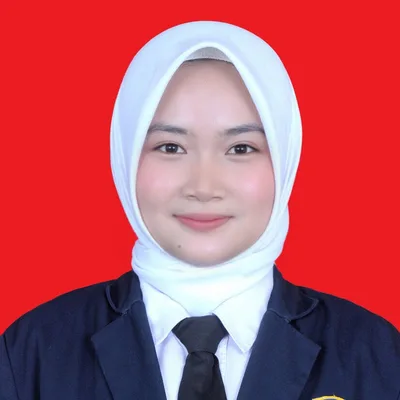
Reading descriptive and recount texts step by step“The recount texts in the grade 8 book often feel long to a junior high student. Lala, who studied English Education at Universitas PGRI Semarang, breaks them down paragraph by paragraph and marks each past-tense verb in turn.”

Sofia S.
English Education, Universitas Muhammadiyah Malang
Speaking with confidence through short dialogues“Plenty of students handle written questions well and still hesitate when they have to speak. Sofia, an English Education graduate of Universitas Muhammadiyah Malang, practises two- or three-turn dialogues first, then lengthens them as the student is ready.”

Ayyash A.
English Education, Universitas Negeri Yogyakarta
Vocabulary that sticks through context“From his English Education studies at Universitas Negeri Yogyakarta, Ayyash brings the habit of teaching vocabulary inside whole sentences. Each new word is noted with an example of its use, so the student can reuse it in school assignments.”

Fikri M.
English Education, Universitas Pendidikan Indonesia
Writing short, well-ordered paragraphs“Writing in English gets lighter once the outline is clear. Fikri studied English Education at Universitas Pendidikan Indonesia and guides students to build a topic sentence, two supporting sentences, and a closing line.”

Priscil R.
English Education, Universitas Indraprasta PGRI
Step-by-step preparation for school assessments“Ahead of a school assessment, Priscil goes through the test outline with the student and works the practice items from the easiest up. She draws on her English Education studies at Universitas Indraprasta PGRI to explain the reasoning behind each answer.”
Middle School English Tutoring Fees
Middle school English tutoring starts at Rp61.000 per hour. Lesson-card rates are worked out on a monthly plan of 28 sessions, for lengths of 60, 90 or 120 minutes.
Starting from
Rp 61.000 / hour
Final price is set at registration.
This is the lowest hourly rate, derived from the 28-session monthly plan at 120 minutes per session. Per-session prices (60, 90, or 120 minutes) appear in the format options above.
Register & Get a QuoteFlexible payment — QRIS, Virtual Account, Alfamart, Indomaret, transfer & e-wallets.
Learning at home or online for the same length costs the same. Grade 9 and international curricula such as Cambridge or IB can sit above the starting rate, and the exact figure appears once registration is under way. Payment works through every channel the student or sponsor prefers, including bank transfer, Virtual Account, QRIS, digital wallets, debit and credit cards, plus the cashier at Alfamart or Indomaret.
FAQ
Middle School English Tutoring FAQ
Short answers on the syllabus, exams, fees and getting started.
SMP English follows Phase D for grades VII to IX. Students work on six skills (listening, speaking, reading, viewing, writing and presenting) through descriptive and procedure texts in grade 7, recounts and narratives in grade 8, and report texts in grade 9. The tenses in play are present, past and future.
No. The academic ability test (TKA) for primary and middle school covers only Bahasa Indonesia and Mathematics, and it is not meant to decide graduation. English becomes a compulsory TKA subject at SMA level. For SMP students, tutoring therefore centres on classwork, school tests and reading comprehension.
Fees start at Rp61.000 per hour and are the same in person or online. Lessons come in 60, 90 and 120-minute lengths. Grade 9 and international curricula can be slightly above the starting rate, and the final figure appears in the registration form before lessons begin.
Grade 8 adds two new text types, recount and narrative, and both are written in the simple past. Students have to handle -ed endings and irregular second forms in the same stretch of the year. Tutors usually break the irregular verbs into small groups and put them to work in short stories right away.
Fear of mispronouncing words or making grammar mistakes is common among SMP students. In a private session the student can practise without classmates watching. The tutor helps prepare what they want to say, corrects pronunciation calmly and lengthens the speaking practice a little at a time.
Complete Guide
A Complete Guide to Middle School English Tutoring, Grades 7 to 9
English at SMP is built in layers, and each year draws on what the previous one set up. Grade 7 opens with an introductory chapter on the alphabet, numbers, telling the time and short instructions, then moves into the first two text types: descriptive and procedure. The grammar students lean on most this year is the simple present, since they describe themselves, their favourite food and their home, along with adverbs of frequency such as always and usually.
Grade 8 is the turning point. Recounts and narratives arrive as new text types, and both run on the simple past, while descriptive and procedure texts carry on with fresh themes. Students who never got comfortable with the simple present in grade 7 tend to feel the load double here, because within one semester they have to keep two tenses apart.
Grade 9 adds the report text, which is laid out much like a descriptive text yet deals with a whole kind of thing in general terms, such as the proboscis monkey as a species. Fantasy narratives and travel recounts come back too, so grade 9 also works as a year of revisiting nearly every SMP text type.
The pattern worth remembering is simple: every text type has a social purpose, an order of parts and its own language features. Students who get used to asking about those three things whenever they meet a new text find the move from one grade to the next far more orderly, and middle school English tutoring uses the same three questions as an anchor in every chapter.
At school, grades 7 and 8 get roughly three lesson periods of English a week. That is enough to introduce the material, though rarely enough to make a student fluent, so short practice at home carries a lot of weight. What works is a light, regular habit of about 15 to 20 minutes a day, with the focus rotating across the six Phase D skills.
For listening and viewing, a student can watch an English video on the topic of the current chapter, for instance a cooking clip while the class works on procedure texts, and jot down five new words. For reading, one short text a day is plenty, as long as the student tries to answer questions whose answers are implied: why a character acted that way, or what the writer was getting at.
Writing becomes a habit most easily through a three to five sentence journal about the day. For grade 8 students, this quietly trains the simple past without feeling like a worksheet. A list of irregular verbs can be stuck on the study desk and grown a little at a time, around five verbs a week.
Speaking can start with reading a passage from the school book aloud, then recording a one-minute retelling of it. Listening back helps the student hear their own pronunciation, and the recording can be brought to the tutoring session to go through with the tutor.
English at SMP is assessed in two ways. Throughout a chapter, teachers check progress formatively with a short written recount, a two-minute talk in front of the class or a quiz on a reading passage; summative tests then arrive mid-semester and at the end, under names that vary from school to school. Since the material is organised by text type, preparation is tidiest when it is organised the same way.
Ahead of a test, a student can make a one-page summary for each text type covered so far: its purpose, the order of its parts, the tense it uses and its typical linking words. For a recount, that means orientation, a sequence of events and a reorientation, held together by time markers like first, then and after that. A sheet like this helps with questions about text structure and doubles as a frame when the student is asked to write.
For reading questions, the most useful practice uses texts the student has never seen, because that is where the skill of drawing conclusions gets tested. Underlining the clue sentence before choosing an answer is a habit worth building.
As for the academic ability test, TKA for SMP covers only Bahasa Indonesia and Mathematics. English becomes a compulsory subject in the SMA version of TKA, with questions on reading comprehension and language use. For grade 9 students, this means a reading habit built now keeps paying off at the next level, with no need to rush into drilling exam papers.
One-to-one English lessons are most useful once they target the specific skill that keeps tripping the student up. That is why the tutor uses the early sessions to map where the student stands: reading one text, writing a short paragraph and holding a brief conversation, while the tutor notes the mistakes that keep coming back. The tutor logs that pattern in the learner app at app.edupoint.id, where the student and the person who registered them can follow which grammar point or text type is in focus.
It helps a great deal when the student brings school material to every session: the textbook, unfinished assignments and marked test papers. Errors on a marked paper often point to a sticking point more clearly than a new exercise does. If past tense verbs keep going wrong in recounts, for example, the tutor can group the irregular verbs from the current chapter and have the student use them in a story about their own weekend.
For speaking, a private session gives the student a safe place to try. The tutor might open with easy questions about the student's interests, then gradually ask for longer answers or a short presentation like the ones teachers set in class.
Recordings of online sessions are kept in the app and can be replayed while doing homework. Should the tutor's way of explaining English fail to click with the student, a request for a replacement tutor can go to the EduPoint team.
How often a student meets the English tutor depends mostly on their grade and on what the class is covering. A grade 7 student still tidying up basic sentences often does well with 60-minute sessions a few times a week, since short, frequent practice is easier to absorb. A grade 8 student writing plenty of recounts and narratives usually needs 90 minutes, which leaves time to draft a whole text and then go over the corrections. A 120-minute session suits the run-up to a summative test or a presentation project.
The number of English meetings each month is flexible: 4 suits a relaxed weekly rhythm, and up to 28 fits a student who wants to practise almost daily. Sessions can start as early as 06.00 and wrap up by 23.00 at the latest, so scout practice, English club or a free Saturday morning can sit comfortably alongside the lessons.
In-person lessons at home make writing practice with the printed textbook easy, whereas online lessons over Zoom or Google Meet are handy for regular listening and speaking work. Two or three students can also learn together as a small group, such as classmates going through the same chapter.
Middle school English tutoring starts from Rp61.000 per hour, and the rate applies to both in-person and online lessons. Grade 9 and schools with international curricula can sit above that starting rate, and the exact rate for a given student appears once the registration form is filled in. Lessons can be paid however suits whoever covers the bill, from QRIS, Virtual Account and bank transfer to e-wallets, debit or credit cards, and the Indomaret or Alfamart counters.
Guides & Tips
Supporting articles to help you decide and maximize learning outcomes.
How to Build English Vocabulary Fast, the Proven Way
Vocabulary grows fastest when the right words are learned in context and reviewed at the right spacing.
How to Learn English from Scratch for Absolute Beginners
English is a skill anyone can build step by step, starting from core vocabulary and simple input you understand every day.
How to Learn English Grammar for Beginners (The Right Order)
A solid grammar foundation for beginners is built one sentence pattern at a time, with daily practice that lets each rule settle in naturally.
How to Speak English Fluently and Overcome the Fear of Speaking
Speaking fluency grows from a sense of safety and practice hours that accumulate every day.
More Programs for SMP Students
For English beyond the school syllabus, or other middle school subjects.
Start Middle School English Lessons This Week
Share the grade, the school and the part of English that feels hardest right now. The EduPoint team will find a tutor who fits the student's schedule.
1,248 middle school English tutors60, 90 or 120-minute sessionsOption to change tutor if the fit is wrong