Arts #1: Watercolor, Acrylic & Oil
Private Painting Lessons for Kids, Teens, and Adult Beginners
180+ painter tutors from fine arts alumni of ISI, IKJ, and ITB ready to guide you from your first brushstroke to exhibition-ready work. Complete medium options: watercolor, acrylic, oil, and gouache. Tutors come to your home across 60+ cities (the student prepares the painting tools), or guide you live through a document camera. One-on-one sessions of 60 minutes cost Rp78,000.
180+
tutors
1,200+
students
4.9
rating · 1,083 reviews
60+
cities
What is Painting Lessons?
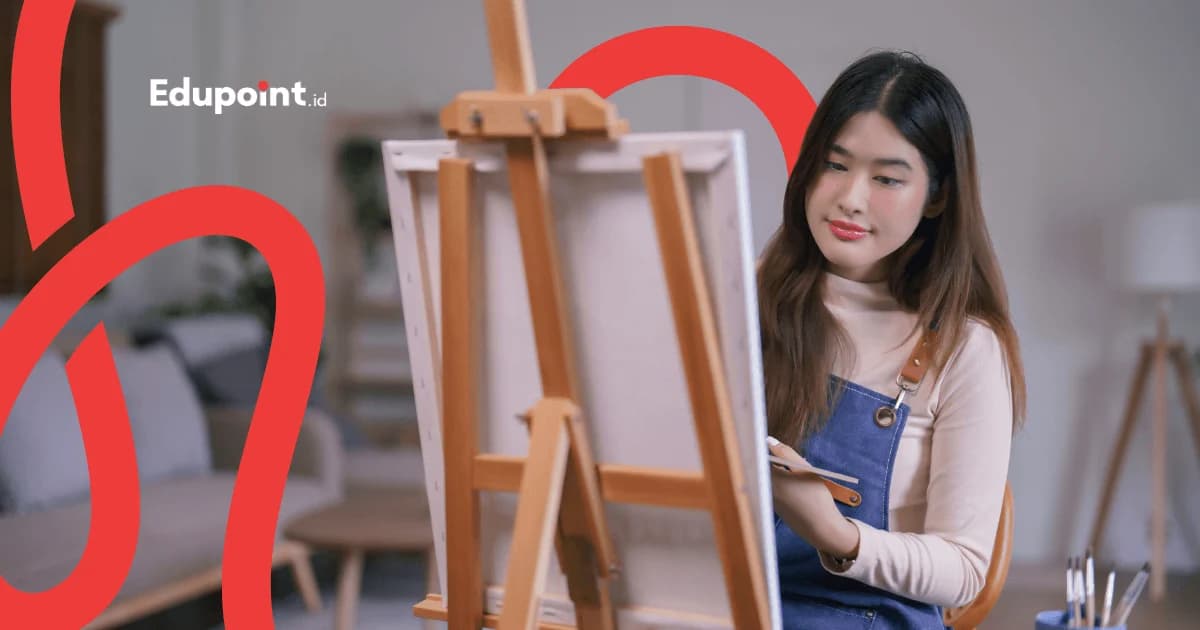
are private painting tutoring programs with professional painter tutors or fine arts instructors. Unlike drawing lessons that focus on line and form, painting lessons center on color, pigment, and brushwork. Students learn to control paint media (watercolor, acrylic, oil, or gouache) while mastering color theory and composition. The program is open to children from age 7, teens preparing art school portfolios, and adult beginners seeking a calming creative hobby.
- Active painter tutors with real portfolio work
- Complete medium options: watercolor, acrylic, oil, gouache
- Emphasis on color theory, mixing, and brushwork
- Canvas output ready to display at home
- Friendly for both children and adult beginners
Services
Learn to Paint at Home or Through a Screen
A tutor comes to your home to work with the student's own painting tools, or demonstrates color mixing through a document camera. Pick the rhythm that suits your family best.
Painting Lessons at Home
A painter tutor comes to your home with reference work; the student prepares the tools
Rp 97.000/ 90-minute session
Price on the 28-session monthly plan, 90-minute sessions. Fewer meetings, higher price per session.
- 1-on-1 or small group of 2-3 students
- Tutor brings sample work for reference
- Live brushwork demonstration in front of the student
- Finished canvas work ready to display at home
Online Painting Lessons
Via Zoom with a document camera pointed at the tutor's easel
Rp 78.000/ 60-minute session
Price on the 28-session monthly plan, 60-minute sessions. Fewer meetings, higher price per session.
- Tutor live-demos color mixing via document camera
- Access painter tutors from any city
- Session recordings to rewatch anytime
- Affordable for families outside major cities
Online and in-person cost the same — the gap between these cards is session length, nothing else.
Painting Lesson Levels
Tailored to age, prior experience, and chosen medium
Beginner: Meeting the Brush & Color
Kids Age 7-10 & Adult BeginnersBuilding confidence through color exploration, basic brushwork, and a first canvas to be proud of
Subjects:
Brush types: flat, round, filbertMixing primary into secondary colorsBasic strokes: wash, blocking, blendingFirst simple acrylic canvas work
Focus Areas:
- Daring to apply color without fear of mistakes
- Getting to know painting tools and media
- Building a regular creative habit
- Producing canvas work worth displaying
Intermediate: Medium Control & Technique
Kids 11-13 + Teens & AdultsDeepening technique per medium: watercolor glazing, acrylic layering, value and composition control
Subjects:
Watercolor glazing & wet-on-wetAcrylic layering, impasto, and palette knifeAdvanced color theory & color temperatureComposition, focus, and lighting in painting
Focus Areas:
- Mastering technique per medium
- Painting real objects (still life, landscape)
- Experimenting with 2-3 different media
- Identifying the most suitable medium
Advanced: Oil Paint, Personal Style & Exhibition Work
Teens 14+ & Serious AdultsMastering oil paint, developing a personal style, and curating work for exhibitions or art school portfolios
Subjects:
Oil techniques: underpainting, glazing, fat-over-leanRealistic portraits and figuresDeveloping a signature styleCurating work for exhibitions & portfolios
Focus Areas:
- Mastering the classical oil paint medium
- Building a recognizable painting style
- Preparing art school / art high school portfolios
- Preparing for exhibitions & commissioned work
Curriculum & Media Taught
A modular curriculum where students may focus on one medium or explore several
The curriculum is rebuilt per student based on age, chosen medium, and learning goals.
Color Theory & Mixing
The foundation of every painting medium, the quality that sets painting apart from drawing
- Color wheel & complementary color relationships
- Mixing primaries into hundreds of nuances
- Color temperature: warm vs cool
- Value, saturation, and palette harmony
Watercolor
A transparent medium that is expressive and fast-drying
- Wet-on-wet & wet-on-dry
- Gradient washes & transparent layering
- Glazing for color depth
- Landscapes, flora, and botanical illustration
Acrylic Paint
The most forgiving medium, versatile and beginner-friendly
- Canvas preparation & gesso
- Acrylic blocking, layering, and blending
- Impasto texture with a palette knife
- Still life and decorative canvas painting
Oil Painting
The classical medium of the masters, rich in color and long-lasting
- Underpainting & the fat-over-lean technique
- Glazing and soft blending
- Realistic portraits and light studies
- Brush care & solvent safety
Composition, Light & Shadow
Composition skills applied across every medium
- Rule of thirds & focal points
- Light direction & shadow logic
- Foreground, midground, background
- Dramatizing mood through color
Plein Air & Painting from Life
Training observation by painting directly from life
- Setting up to paint outdoors (plein air)
- Still life from real objects at home
- Quick color studies
- Translating reference photos onto canvas
Who It Is For
Painting for Every Hand, from Kids to Adults
A color-loving child, a teen building a portfolio, or an adult chasing weekend calm. Each profile gets its own path and first medium.
Elementary Kids Who Love Color
Children age 7-12 who enjoy playing with color and want to produce their first canvas painting
Recommended:
Beginner LevelAcrylic (most forgiving for kids)
Teens Preparing for Art High School/College
Students preparing a painting portfolio to enter art vocational schools, SMSR, or campuses like ISI, IKJ, ITB Fine Arts
Recommended:
Advanced LevelOil PaintPortfolio prep
Adult Beginners Seeking a Calming Hobby
Working professionals who want a creative hobby to de-stress, treating painting as weekend meditation
Recommended:
Beginner-Intermediate LevelAcrylic or Watercolor
Hobby Painters Who Want to Exhibit/Sell Work
Hobbyists who can already paint and want to improve their work for exhibitions, commissions, or sales
Recommended:
Advanced LevelOil PaintWork curation & personal style
Painting Lessons Exclusive
Painting Medium Map: Watercolor, Acrylic, or Oil?
This is what sets painting lessons apart from drawing lessons. Your choice of medium shapes the technique, tools, cost, and even the learning mood. Get to know each paint before choosing.
Watercolor
Transparent, expressive, fast-drying
Difficulty
Drying TimeVery fast (5-15 minutes)
Cost LevelLow
CleanupVery easy, just water
Recommended AgeAge 8 and up
Best For
LandscapesBotanical illustrationQuick color sketches
Medium Traits
- Transparent nature makes mistakes hard to cover, so it requires planning
- Trains water control, timing, and confident strokes
- Needs special 300gsm paper to avoid buckling
Acrylic Paint
Flexible, forgiving, versatile
Difficulty
Drying TimeFast (15-30 minutes)
Cost LevelMedium
CleanupEasy while still wet
Recommended AgeAge 9 and up
Best For
Canvas paintingsStill lifeMurals & decorative work
Medium Traits
- Most forgiving, since mistakes can be painted over once dry
- Can be thickened (impasto) or thinned like watercolor
- The easiest medium for beginners wanting canvas results
Oil Paint
Classical, color-rich, slow-drying
Difficulty
Drying TimeSlow (1-3 days per layer)
Cost LevelHigh
CleanupRequires solvent (thinner/oil)
Recommended AgeAge 13 and up
Best For
Realistic portraitsExhibition workClassical light studies
Medium Traits
- The long drying time allows soft blending without rushing
- The richest, most durable color, the medium of the masters
- Requires the fat-over-lean technique & good room ventilation
Gouache
Opaque watercolor with solid color
Difficulty
Drying TimeFast (10-20 minutes)
Cost LevelMedium
CleanupEasy, just water
Recommended AgeAge 9 and up
Best For
IllustrationPostersCharacter design
Medium Traits
- Opaque, giving solid, flat color that is easy to paint over
- A bridge between watercolor and acrylic
- An illustrator favorite for clean scanned/photographed results
The First Medium We Recommend
Kids age 7-10
Acrylic Paint
Most forgiving and fast-drying, so kids get a canvas result to be proud of right away
Teens & adult beginners
Acrylic then Watercolor
Start with acrylic for confidence, then move to watercolor to train control and expression
Serious about exhibition work or art school
Oil Paint
The classical medium highly valued by art school selection panels and collectors
Unsure which to pick? An EduPoint diagnostic consultation session helps determine the first medium based on the student's age, goals, and personality.
Why Us
Six Strengths of Painting Lessons at EduPoint
Guided by active painters with real portfolio work, with every paint medium open to learn and a color theory foundation students carry for life.
Painter Tutors Who Truly Create
180+ tutors are formal fine arts alumni who are also active painters with real portfolio work across exhibitions, commissions, or private collections.
Every Paint Medium in One Place
With watercolor, acrylic, oil, and gouache on hand, students are free to focus on one medium or explore several to find the best fit.
An Emphasis on Color Theory
The heart of painting is color. Every student is equipped to mix colors and build harmonious palettes, a skill carried for life.
Display-Ready Canvas Output
At the end of each package students take home a finished canvas painting. For advanced levels, there is a portfolio of work for exhibitions or art school applications.
Friendly for Kids and Adult Beginners
Tutors pass interaction screening. Children are guided without pressure; adult beginners are patiently accompanied from zero, with painting made calming for every age.
Flexible at Home or Online
In-person across 32 partner cities or online via Zoom with a document camera + session recordings. A wide choice for any family.
EduPoint Painting Lesson Tutors
Active painters and professional fine arts alumni
Tutor Qualifications
- Fine Arts / Painting alumni of ISI, IKJ, ITB, or equivalent art campuses
- Active painters with real portfolio work (exhibitions, commissions, or collections)
- At least 2 years of experience teaching children, teens, or adults
- Patient and friendly, having passed screening for interaction with kids & beginners
- Completed EduPoint teaching methodology training
Adi A.
Art and Craft Education, Universitas Pendidikan Indonesia
Color theory and studio practice“Adi blends the color theory and studio practice he deepened in Art and Craft Education at Universitas Pendidikan Indonesia, then simplifies it for beginning painters.”
Syerli J.
Fine Arts, Universitas Brawijaya
Exploring paint mediums“A Fine Arts background at Universitas Brawijaya makes Syerli comfortable working with canvas and various paint mediums, and she guides students to find their own painting style.”
Sari S.
Art Education, Universitas Sarjanawiyata Tamansiswa
Foundations of form and color“Sari builds painting foundations from observing form and color, an approach he honed during Art Education studies at Universitas Sarjanawiyata Tamansiswa.”
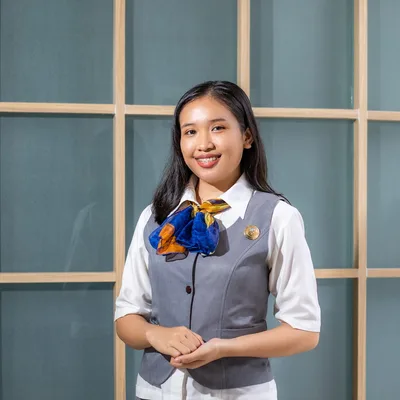
Rilies R.
Art Education, Universitas Negeri Medan
Brushwork basics for beginners“Drawing on Art Education from Universitas Negeri Medan, Rilies patiently guides students through brushstrokes and color mixing from the very basics.”
Testimonials
Voices from Painting Lesson Parents and Students
From a child's first canvas painting to a portfolio that passed art school selection, here is what they felt while learning to paint.
Painting Lesson Pricing
Package options based on age, duration, and target output
Starting from
Rp 61.000 / hour
Final price is set at registration.
This is the lowest hourly rate, derived from the 28-session monthly plan at 120 minutes per session. Per-session prices (60, 90, or 120 minutes) appear in the format options above.
Register & Get a QuoteFlexible payment — QRIS, Virtual Account, Alfamart, Indomaret, transfer & e-wallets.
Prices cover the tutor's guidance. All tools and materials (canvas, brushes, paint) are prepared by the student per the tutor's recommendation.
Painting Lessons Availability
Online Tutoring
Online WorldwideOnline painting lessons via Zoom with a document camera are available for students across Indonesia and abroad
In-Person Tutoring
All CitiesIn-person painting lessons at home are available in the following cities
Yogyakarta38+ tutorsBandung34+ tutorsJakarta46+ tutorsSurabaya20+ tutorsSemarang16+ tutorsDenpasar14+ tutorsMalang13+ tutorsSolo12+ tutors
+2 more citiesStudent Achievements
Painting Lesson Student Success Journeys
Real achievements from EduPoint students
Success
From Color Scribbles to National Painting Competition Winner
Aqila A.
SD Negeri 05 Jakarta
Before
Had never held a brush
After
2nd Place in the National Children's Painting Competition
National winner within 18 months
18 months
Challenge
Loved color but had never had structured painting lessons
Journey
Month 3: Could mix colors & apply brushstrokes with basic control
Month 6: Finished a first acrylic canvas painting with neat composition
Month 12: Work displayed at the school art exhibition
Month 18: 2nd Place in the National Children's Painting Competition
“Aqila, who used to only play with color, now has her own shelf of paintings. Her tutor patiently built technique from zero.”
Tutors:
Kak Alisya L. (Acrylic Paint & Color Theory)
Success
A Self-Taught Teen Finally Accepted into ISI Yogyakarta
Zahir N.
SMA Negeri 3 Bogor
Before
Self-taught with no structured portfolio
After
Accepted into the Painting major at ISI Yogyakarta
A portfolio of 15 selection-ready works
14 months
Challenge
Had painting talent but did not know how to build an art school portfolio
Journey
Month 2: Initial portfolio diagnostic & target major decided
Month 6: Mastered oil paint basics, from underpainting to glazing
Month 10: Finished 4 realistic oil portraits
Month 14: Accepted into the Painting major at ISI Yogyakarta
“Without Kak Garry, I would never have known oil paint could be this beautiful or what a portfolio for ISI should contain.”
Tutors:
Kak Garry S. (Oil Paint, Portraits & Portfolio)
Success
An Adult Beginner Who Dared to Hold a First Exhibition
Rafa A.
Professional, age 31
Before
Zero painting experience
After
Held a mini solo exhibition at a community gallery
20+ works in 2 years
24 months
Challenge
Wanted a serious hobby after years of only office work
Journey
Month 3: Could paint a simple acrylic still life
Month 9: A personal color style began to feel consistent
Month 15: First work bought by a local collector
Month 24: Held a mini solo exhibition at a community gallery
“Two years ago I couldn't hold a brush. Now my work hangs in a gallery. Kak Faizal played a huge role in this transformation.”
Tutors:
Kak Faizal A. (Acrylic & Oil Paint for Adults)
FAQ
Q&A Before the Painting Class Begins
Starting age, paint medium choice, cost, and portfolio prep: we have gathered the answers here.
From age 7. At ages 7-8, the goal of painting lessons is to build the courage to apply color and a love of painting, while neat results can wait. Acrylic paint is best for children because it dries fast and is forgiving. EduPoint tutors are trained to be child-friendly with a pressure-free approach.
A painting session with an EduPoint tutor is priced by the hour, from Rp78,000 an hour at the 60-minute mark. The hourly math favors the long format: on a 120-minute session or across a 28-session month, each hour averages Rp61,000. The registration form calculates the same figures, including for teens building a portfolio for art vocational school or college.
Drawing lessons center on line, form, sketching, and shading, usually with pencil or pen. Painting lessons center on color, pigment, and brushwork, using paint media such as watercolor, acrylic, or oil. The two complement each other: drawing ability helps composition, while painting adds the dimension of color. You can focus on one or learn both.
Acrylic paint is most recommended for beginners of all ages because it is fast-drying, easy to clean with water, and lets mistakes be painted over once dry. After 2-3 months with acrylic, students can explore watercolor (more expressive but challenging) or oil paint (classical, for the serious). See the Painting Medium Map section on this page for a full comparison.
Very effective if the tutor has a good document camera setup, meaning an extra camera facing the tutor's easel. Students can watch color mixing and brushwork in real time, plus session recordings can be rewatched. EduPoint provides special tutor training for online painting lessons so the experience matches in-person learning.
Complete Guide
The Complete Guide to Painting Lessons for Kids & Beginners
Every aspiring painter's first question: which medium do I start with? Your medium choice shapes the cost, the tools, and the learning mood. Here is a quick map:
Acrylic paint (most recommended for beginners): - Pros: fast-drying, forgiving, mistakes can be painted over - Best for: children age 9 and up and adult beginners - Results: canvas paintings, still life, decorative work
Watercolor (expressive but challenging): - Pros: affordable, lightweight, beautiful transparent results - Challenge: unforgiving, requires planning and water control - Best for: children age 8+ who are already patient; a landscape favorite - Note: requires special 300gsm paper
Gouache (opaque watercolor with solid color): - Pros: opaque, easy to paint over, neat results for illustration - Best for: students who like an illustrative, poster style
Oil paint (classical and rich, but serious): - Pros: the richest color, the smoothest blending, lasts for decades - Challenge: slow-drying, needs solvent and ventilation - Best for: serious teens age 13+, art school preparation
EduPoint's recommendation: Start with acrylic to build confidence and brush control for 2-3 months. After that, explore watercolor or move straight to oil paint if the goal is an art school portfolio.
Many parents ask: when is a child ready for painting lessons? EduPoint's answer: from age 7, with one important note.
Age 7-8: A child is capable enough to control a large brush. The goal of the lessons is not neat results but the courage to apply color and the joy of playing with paint. Acrylic is the best fit because it dries fast and is forgiving.
Age 9-11: A child can focus for 60-90 minutes and accept technical feedback. Simple color theory, mixing, and basic composition can be taught. Watercolor can be introduced for a patient child.
Age 12-13: The sweet spot for technical foundations. A child is mature enough to repeat work and explore several media. This is the ideal time to get serious if the child is interested in art school.
Age 14 and up: Can move straight to oil paint and portfolio preparation.
Signs a child is ready for painting lessons: the child enjoys playing with color, can sit focused for at least 30 minutes, and is not frustrated when results are not yet perfect. If the child is still very young, start with free finger painting to build a love of color.
Painting welcomes adults just as warmly as children. More and more adult beginners are turning painting into a calming hobby. If you have never held a brush, here is your guide:
1. Drop the 'no talent' myth Painting is a learnable skill open to everyone. Basic ability can be mastered by anyone within a few months with the right guidance.
2. Start with acrylic paint For adult beginners, acrylic is the best entry point. It dries fast, cleans up easily, and lets you paint over mistakes. You will get a canvas result to be proud of right away.
3. Set realistic targets The first session simply builds the basics. The target: get to know the brush, mix 3-4 colors, and finish one simple object.
4. Make it routine, and let perfection come later Consistency of 1-2 sessions per week means far more than one marathon session a month. Painting regularly becomes effective de-stress therapy.
5. Choose a patient tutor Many adult beginners feel self-conscious learning alongside children at studios. Private lessons with a tutor used to guiding adults make the process feel comfortable and relaxed.
EduPoint has adult-beginner specialist tutors like Kak Faizal who make painting feel calming from the very first session.
Quality painting tools cost a fair amount. Proper care makes them last for years. Here is a practical guide:
Caring for brushes: - Wash brushes immediately after use, because dried paint permanently damages bristles - For acrylic and watercolor: just clean water and mild soap - For oil paint: clean with solvent, then soap, then water - Dry brushes lying flat or with bristles facing down - Never soak brushes too long, since the handle can crack
Storing paint: - Seal tubes and paint pots tightly after use - Acrylic paint dries permanently if left open, making it the most at-risk - Store in a cool place, away from direct sunlight - Watercolor in a pan can be reactivated with water even after drying
Caring for canvas: - Store blank canvas upright, keeping it off a flat stack - Protect finished work from dust and humidity - For oil paintings: let it dry completely before displaying - Varnish can be added to protect work long-term
Money-saving tip: Buy mid-range quality starter tools first, then upgrade as skill improves. EduPoint tutors send a budget-appropriate shopping list before the first session.
An aspiring painter's classic choice: private lessons at home/online or an art studio with many students? Here is the comparison:
| Aspect | Private Lessons | Art Studio | |--------|-----------------|------------| | Tutor attention | 100% focused on 1 student | Split among 10-20 students | | Curriculum | Tailored to medium & personal goals | A general curriculum for all | | Schedule | Flexible to suit the family | Fixed weekly schedule | | Environment | Quiet, focused | Peers present, lively | | Price | Higher per session | Cheaper per month | | Location | Home or online | Travel to the studio |
When to choose private lessons: - A shy child or self-conscious adult learning in a group - Specific needs (portfolio, a certain medium, competition prep) - A quality studio is far from home - A busy schedule that needs flexibility - Wanting to deeply focus on one medium without class pace disruption
When an art studio fits: - The student enjoys socializing and learning from peers - A limited family budget - A quality studio is near home
The most effective combination: a weekly studio for socializing + private lessons 1-2x/month for personal technical improvement.
Many adult students ask: can a painting hobby generate income? It can, with realistic steps.
1. Build a portfolio first, then sell Gather 15-20 finished works of consistent quality. Collectors and commission clients judge consistency across the whole body of work, beyond a single good piece.
2. Find a recognizable niche and style Flower paintings, family portraits, local landscapes, or pet portraits. Focusing on one niche makes your work easier to remember and order.
3. Document your work well Photograph paintings with natural lighting and a neutral background. Great work with blurry photos will not sell online.
4. Build an online presence Instagram and art marketplaces are the modern showcase. Post the painting process alongside the result, because people buy the story behind the work.
5. Start with small commissions Small pet portraits or family portraits are a realistic first commission entry point. Reasonable prices for a beginner, then rising with reputation.
6. Understand pricing Factor in material cost, working hours, and skill level. Avoid selling too cheap, since that hurts both you and the painter community.
For serious students, advanced EduPoint tutors can guide work curation and a strategy for building a market-ready portfolio.
Guides & Tips
Supporting articles to help you decide and maximize learning outcomes.
How to Choose Paint and Painting Supplies for Beginners
The right painting supplies start with a single paint medium that suits your learning style, then add brushes, a surface, and a palette as needed.
How to Learn Painting for Beginners: A Step-by-Step Guide from Scratch
Painting feels easier when you begin with one medium, understand the logic of color, then practice through small works you actually finish one by one.
Painting with Acrylics for Beginners: A Step-by-Step Guide
Acrylics offer a welcoming way into painting for anyone starting out. They dry fast, clean up easily, and work on almost any surface.
Related Creative Programs
Explore other arts and creativity programs from EduPoint
Bring Your First Canvas to Life with Painting Lessons
Make room for expression through color with a painter tutor who patiently guides you from the very first brushstroke.