#1 Kids Multi-Skill Program
Kids Multi-Skill Program, Find Talent Through Many Experiences
One child, one tutor, exploring art, music, language, logic, and science in a fun program. Your child tries many things first, then deepens what lights them up. At home or online, try a 60-minute session at Rp78,000.



150+
tutors
1,100+
students
4.9
rating · 984 reviews
60+
cities
What is Kids Multi-Skill Program?
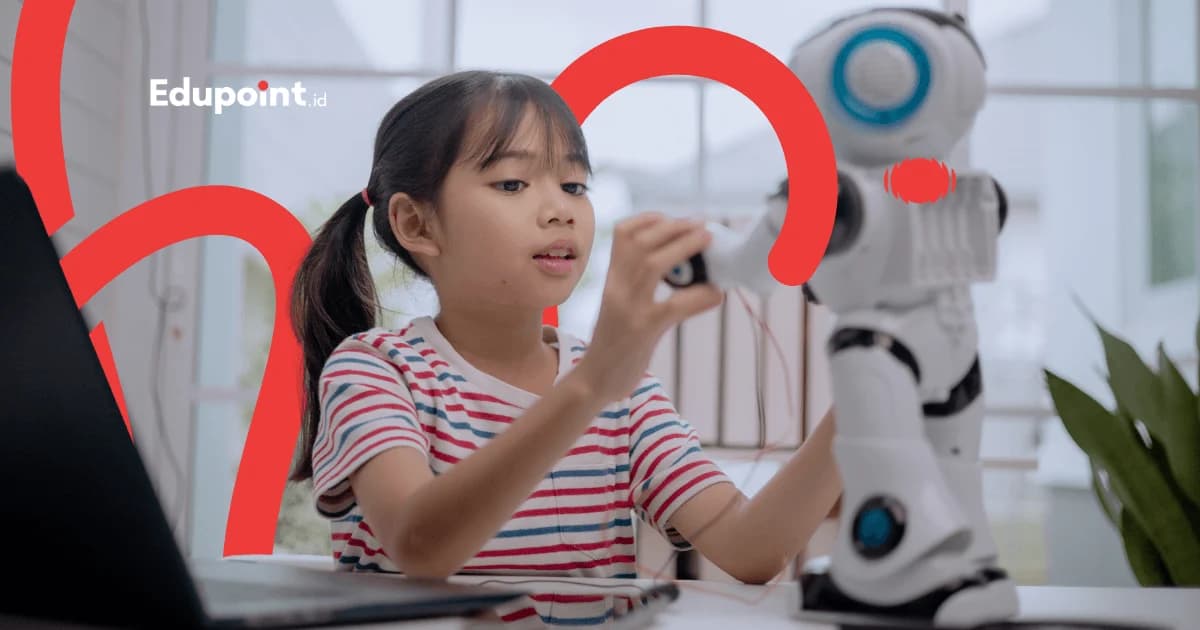
A kids multi-skill program is private self-development guidance that helps a child explore several skill clusters at once, from art, music, and language to logic and science. Through guided play, the child recognizes their interests and talents, then deepens what fits best. The tutor comes to your home or teaches online, at Rp78,000 per 60-minute session, the same figure the registration form calculates.
- One child, one tutor, with activities tailored to age and interest
- Explores many skill clusters within one program
- Interest mapping to help discover the child's talent
- Explore first, then focus on deepening the standout skill
- Regular progress reports for parents
Services
In-Person, Online, or Small Group: Shape the Multi-Skill Program
The tutor guides your child at home, leads through the screen, or plays together with siblings and friends. Match it to your family's rhythm.
In-Person Multi-Skill Lessons
The tutor comes to your home and your child explores directly with full guidance.
Rp 78.000/ 60-minute session
Price on the 28-session monthly plan, 60-minute sessions. Fewer meetings, higher price per session.
- Tutor comes to your home
- Activities with tools and materials prepared
- One-on-one guidance
- Flexible schedule to fit the family
Online Multi-Skill Lessons
Learn via Zoom with activities that can be done at home, guided by the tutor.
Rp 78.000/ 60-minute session
Price on the 28-session monthly plan, 60-minute sessions. Fewer meetings, higher price per session.
- Activities with simple household materials
- The tutor guides and observes over camera
- Recorded sessions to replay
- Available for families abroad
Small Group Multi-Skill Lessons
Learn with siblings or 2-3 friends, building social skills along the way.
Rp 73.000/ 90-minute session
Price on the 28-session monthly plan, 90-minute sessions. Fewer meetings, higher price per session.
- 2-3 children per group
- Learning to share and cooperate
- The session rate feels lighter per child, with the discount applied automatically in the form
- Fun collaborative activities
Online and in-person cost the same — the gap between these cards is session length, nothing else.
Multi-Skill Learning Stages by Age
We tailor the activities and depth to the child's age and stage of development.
Early Exploration (Ages 4-6)
Kindergarten to early elementaryChildren meet a range of activities through play. The focus is on experience, sensory exploration, and building curiosity, with no performance targets.
Subjects:
Playing with color and shapeSongs and movementInteractive storiesSimple logic games
Focus Areas:
- Meeting many new activities
- Fine and gross motor skills
- Curiosity and focus
- Comfort learning through play
Discovery (Ages 7-9)
Grades 1-3Children try several skill clusters in rotation. The tutor observes which ones spark the most enthusiasm and the fastest growth.
Subjects:
Rotating art, music, and languageSimple science playSmall creative projectsPerforming and storytelling
Focus Areas:
- Finding standout interests
- Building self-confidence
- Discipline and finishing tasks
- Recognizing personal strengths
Deepening (Ages 10-12)
Grades 4-6Children focus on one or two standout skills they discovered, while creating small works as a portfolio and a foundation for the next step.
Subjects:
Deepening the main talentThemed projectsA portfolio of the child's workPreparing for specialized lessons
Focus Areas:
- Deepening the standout skill
- Producing real work
- Perseverance and responsibility
- A clearer direction of interest
How the Multi-Skill Program Works
Four stages that keep a child's exploration guided and purposeful, with every activity tied to a goal.
The tutor adjusts the pace of each stage to the child's readiness. Some children find their interest quickly, others take longer to explore, and both are perfectly fine.
Interest Mapping
An opening session to get to know the child: what they enjoy, how they learn, and their natural tendencies.
- Getting-to-know games and chats
- Observing learning style
- Discussing parents' hopes
- An initial exploration plan
Rotating Exploration
The child tries several skill clusters in rotation, with different play activities each session.
- Rotating skill clusters
- Small project-based activities
- Notes on the child's responses
- Adjusting to interest
Talent Deepening
Once interest is visible, the focus shifts to one or two skills so the child grows more deeply.
- Focus on the standout skill
- More structured practice
- Gradual challenges
- Building perseverance
Project & Showcase
The child makes a small work and presents it, nurturing pride and confidence.
- A personal work project
- A showcase for the family
- Reflecting on progress
- Recommendations for next steps
Who It Is For
Which Children Are a Good Fit for the Multi-Skill Program
Children Whose Interest Is Unclear
Parents often wonder what field their child is gifted in. This program lets the child try many things first, so their interest emerges naturally.
Recommended:
Start at the exploration stageInterest mapping in the first session
Children Who Get Bored Quickly
A child who tires easily of one activity actually suits the rotation format. The variety of clusters keeps every session fresh and looked forward to.
Recommended:
A varied cluster rotationPlay-based activities
Children Building Confidence
Shy children find confidence as they succeed across various activities. Diverse small wins grow their courage.
Recommended:
Patient, supportive tutorsAppreciation for every small step
Families Wanting a Balanced Foundation
Parents who want their child to have a broad base before choosing a specialty will benefit. The child grows with more well-rounded skills.
Recommended:
A gradual exploration curriculumComprehensive progress reports
Clusters Your Child Explores
The Six Skill Clusters Your Child Explores
Every child tries these clusters in rotation, then deepens the one that excites them most. All are wrapped in fun play.
Cluster 1
Art & Creativity
What your child tries
DrawingColoringHandicraftsCollage
Builds: imagination, self-expression, and fine motor skills
Cluster 2
Music & Rhythm
What your child tries
SingingRhythm clappingMeeting instrumentsMovement and song
Builds: a sense of rhythm and the courage to perform
Cluster 3
Language & Storytelling
What your child tries
StorytellingReading aloudBuilding vocabularySpeaking up front
Builds: the courage to speak and language ability
Cluster 4
Logic & Numbers
What your child tries
PuzzlesRecognizing patternsCounting through gamesCause and effect
Builds: orderly thinking and problem solving
Cluster 5
Movement & Motor Skills
What your child tries
Coordination gamesBalance practiceCheerful gymnasticsThrow and catch
Builds: gross motor skills, balance, and fitness
Cluster 6
Science & Basic Tech
What your child tries
Simple experimentsObserving natureBuilding blocksIntro to visual coding
Builds: curiosity, precision, and logic
Explore First, Focus Later
The goal of exploring six clusters is not for the child to master them all at once. By trying many things, the child and tutor find the cluster that brings them most alive, then deepen it. This is a more honest way to find talent than guessing from the very start.
From Guiding Children's Growth
Five Misconceptions About Multi-Skill Programs and How We Handle Them
Learning many skills can go the wrong way without guidance. Here are the things we see most and how we keep it healthy for the child.
A child tries many things but none deeply
Why it happens
Without direction, rotation can stall at endless sampling, so the child never feels the satisfaction of mastering something.
How we fix it
After the exploration phase, the tutor helps the child focus on one or two talents to deepen, so a sense of capability emerges.
Parents impose their own interest
Why it happens
Parents' hopes can sometimes overshadow the child's real interest, and the child only joins because they are told to.
How we fix it
The program is rooted in observing the child. Parents are involved through reports, but the direction follows what brings the child alive.
The child gets bored and wants to quit
Why it happens
Activities that are too hard or not suited to the age stage make the child lose interest.
How we fix it
The tutor adjusts the difficulty and frames the material as play, so sessions stay fun and looked forward to.
The child is compared to other children
Why it happens
Early achievement pressure can make a child afraid to try and lose the joy of learning.
How we fix it
We focus on each child's progress. Every small step is celebrated, because each child's journey is different.
Thinking multi-skill means piling on lessons
Why it happens
The program is mistaken for adding a burden of many activities at once, when what matters is the quality of exploration.
How we fix it
This is guided exploration with mapping, not a packed schedule. The load is kept light so the child enjoys the process.
A healthy multi-skill journey helps a child know themselves, not exhaust themselves chasing everything. Guided exploration lightens the load rather than adding to it.
Why Us
Five Reasons Parents Choose EduPoint's Kids Multi-Skill Program
A private program that lets a child safely try many things, then steers them to discover and deepen their real talent.
One Child One Tutor
Full attention on the child, with activities tailored to their interest and learning pace.
Guided Exploration
Every activity has a clear direction. There is interest mapping and a planned rotation to discover the child's talent.
Tutors Who Understand Children
Students and graduates of education, early childhood education, and psychology who are patient and fun for children.
Learning Through Play
Every cluster is wrapped as a game, so the child learns without feeling burdened.
Progress Reports
Parents know the activities tried, the child's responses, and the direction of interest taking shape.
Selected Kids Multi-Skill Tutors
Our tutors are students and graduates of education, early childhood education, and psychology who understand the world of children, patient and fun.
Tutor Qualifications
- Students and graduates of Education, Primary Education, Early Childhood Education, and Psychology from leading universities
- Understand children's developmental stages and ways of learning
- Passed skills and teaching-children assessments
- Used to guiding children through play and creative activities
Aisy A.
Early Childhood Education, STKIP Situs Banten
Learning through play“Aisy completed Early Childhood Education at STKIP Situs Banten and is used to framing learning as play, so young children explore many things without feeling burdened.”
Veronica V.
Primary School Teacher Education, Universitas Muria Kudus
Guiding children across fields“From Primary School Teacher Education at Universitas Muria Kudus, Veronica is used to teaching varied subjects, the right foundation for guiding children through many skill clusters.”
Thoriq T.
Psychology, UIN Sunan Kalijaga
Reading interests through psychology“With a Psychology background from UIN Sunan Kalijaga, Thoriq is sharp at reading a child's interests and mood, then steering their exploration toward the activities that light them up most.”
Syifa S.
Primary School Teacher Education, Universitas Ahmad Dahlan
Patiently guiding step by step“Syifa studied Primary School Teacher Education at Universitas Ahmad Dahlan and patiently guides children step by step, from trying things out to finding what they love.”

Ela E.
Early Childhood Education, IKIP Siliwangi Bandung
Nurturing the courage to try“Ela comes from Early Childhood Education at IKIP Siliwangi Bandung and warmly accompanies young children, celebrating every success so they dare to try new things.”
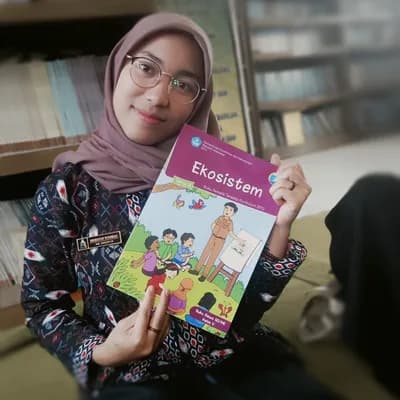
Nikma N.
Primary School Teacher Education, Universitas Nahdlatul Ulama Blitar
Observing a child's strengths“Nikma, a graduate of Primary School Teacher Education at Universitas Nahdlatul Ulama Blitar, likes giving children varied activities and noting where they grow the fastest.”
Testimonials
What Parents Say About the Kids Multi-Skill Program
From a child unsure of their interest to one who finally found their talent, here are EduPoint families' stories.
I was unsure what my child liked. After the multi-skill program, it turned out he lit up most when telling stories and performing. Now we guide him there with more confidence.
Mrs. Puspa P.
Parent of a 6-year-old • Jakarta
My child gets bored easily with the same old lessons. This rotation format keeps her excited because every session is different. She now looks forward to her lesson schedule.
Mrs. Elsa M.
Parent of a 1st grader • Bandung
What I love is that the tutor observes the child first before steering. So it is not me imposing, but truly from the child's own interest.
Mrs. Arianti E.
Parent of a 7-year-old • Surabaya
My child is shy and at first did not dare to perform. Through many small activities he succeeded at, his confidence grew little by little.
Mr. Eko S.
Parent of a 2nd grader • Depok
We live in a small town with limited course options. The online multi-skill program became the solution; activities use materials at home and are still fun.
Mrs. Nia L.
Parent of an 8-year-old • Balikpapan
After a few months of exploration, the tutor suggested focusing on logic and science because that is where my child stood out most. The advice was based on observation, not a guess.
Mrs. Devani F.
Parent of a 3rd grader • Tangerang
I get a report every month, complete with the activities tried and the child's responses. So I truly know my child's development, and I can see something learned in every session.
Mrs. Muthia H.
Parent of a 5-year-old • Semarang
My child presented a small work at the family showcase. Seeing her proud of her result convinced us this program gives her real skills and genuine progress, well beyond filling time.
Mrs. Silvia E.
Parent of a 4th grader • Jogja
Kids Multi-Skill Program Cost
An open hourly rate for parents: families set the child's session at a single hour, a relaxed 90 minutes, or a full two-hour block, plus 4 to 28 meetings a month, and the entire cost is worked out transparently during enrollment.
Starting from
Rp 61.000 / hour
Final price is set at registration.
This is the lowest hourly rate, derived from the 28-session monthly plan at 120 minutes per session. Per-session prices (60, 90, or 120 minutes) appear in the format options above.
Register & Get a QuoteFlexible payment — QRIS, Virtual Account, Alfamart, Indomaret, transfer & e-wallets.
Prices may adjust to the child's age, location, and lesson format. Contact us for an exact quote.
Kids Multi-Skill Program Availability
Online Tutoring
Online WorldwideOnline kids multi-skill program is available for families across Indonesia and abroad.
- Activities with simple household materials
- The tutor guides and observes over camera
- Sessions recorded and replayable
In-Person Tutoring
All CitiesIn-person kids multi-skill program, with the tutor coming to your home in the following cities.
Jakarta38+ tutorsBandung22+ tutorsSurabaya20+ tutorsDepok14+ tutorsTangerang13+ tutorsBekasi12+ tutorsBogor10+ tutorsSemarang9+ tutors
+4 more citiesStudent Achievements
Children's Journeys to Finding Their Talent
Real progress stories from EduPoint families.
Success
From Unsure to a Love of Storytelling
Arya S.
Kindergarten, Jakarta
Challenge
Arya was active but did not stand out in one area, and his parents were unsure which activity to steer him toward.
Solution
The tutor had Arya try six clusters in rotation while observing. During the storytelling session, his eyes lit up and he was most at home.
Journey
Month 1: Tried art, music, and logic through play
Month 3: Lit up most when telling stories and performing
Month 6: Dared to tell a story in front of the family
Found and began deepening a love of storytelling
“We finally know what Arya loves. He found it himself by trying, not us guessing.”
— Arya's parent
Success
A Bore-Prone Child Who Finally Persevered
Reyhan D.
Grade 2, Bandung
Challenge
Reyhan always quit midway through every lesson because he tired quickly of monotonous activities.
Solution
The rotation format made each session different. After discovering his love of science, he began to settle in and deepen it with focus.
Journey
Month 1: Enthusiastic because activities were always new
Month 4: Fell in love with simple science experiments
Month 8: Completed his first small science project
From easily bored to persevering in science
“For the first time he did not ask to quit. He just needed to find the right fit.”
— Reyhan's parent
Success
The Shy One Who Dared to Perform
Lillian S.
Grade 1, Surabaya
Challenge
Lillian was very shy and rarely tried new things for fear of making mistakes in front of others.
Solution
The tutor built a sense of safety through varied small activities, celebrating each success so Lillian dared to step forward again.
Journey
Month 1: Willing to try new activities without fear of mistakes
Month 3: Enjoyed drawing and showing her work
Month 6: Performed confidently at the class showcase
Grew confident through many small successes
“The biggest change is not her skill but her courage. She has become a child who is willing to try.”
— Lillian's parent
FAQ
Before Registering for the Kids Multi-Skill Program, Here Are the Answers
On age, the skills explored, and how to determine a child's focus, we help explain.
A private session is priced by the hour: 60 minutes works out to Rp78,000 an hour, while a two-hour session or a 28-session monthly package is the most economical at Rp61,000 per hour, so a longer sitting costs less per hour, whether the tutor visits your home or teaches online. The registration form shows these exact figures, and for small groups of 2-3 children the per-child discount is calculated there automatically.
Regular lessons focus on one field from the start. The multi-skill program invites a child to explore several skill clusters first to find their interest and talent, then focus on deepening what fits best.
From age 4. Ages 4-6 focus on experience and play, ages 7-9 on discovering interests, and ages 10-12 on deepening the talent already found.
There are six clusters: Art & Creativity, Music & Rhythm, Language & Storytelling, Logic & Numbers, Movement & Motor Skills, and Science & Basic Tech. All are wrapped in fun play.
No, because exploration is done in rotation and gradually, not all at once. Session length is age-appropriate and the tutor keeps the load light, so the child enjoys the process.
Complete Guide
Complete Guide to the Kids Multi-Skill Program
Many parents ask whether a child should focus on one field immediately or try many things first. Both have their place, depending on the child's age and readiness.
Focusing right away suits a child who already clearly shows interest and talent in one field, for example a child who has always gravitated to piano or football. Early deepening helps them go further.
Multi-skill is more appropriate for the majority of children whose interest is not yet visible. At a young age, a child lacks the experience to know what they like. Trying various clusters gives them a map before choosing a path.
The approach we recommend combines both: broad exploration first, then focus on one or two talents that light up the most. That way, the specialization decision is born from the child's real experience, not a guess. The tutor helps determine the right time for your child to shift from exploring to deepening.
Skill exploration can begin from age 4, with a different emphasis at each stage. At ages 4-6, the focus is experience and enjoyment. The child meets color, sound, movement, and stories through play, with no performance targets at all.
Ages 7-9 are the ideal discovery period. The child can already follow more structured activities and starts showing clear tendencies. This is the most fertile time to observe where they are most enthusiastic.
From ages 10-12, the child is usually ready to deepen one or two skills they have found, while building perseverance and producing real work.
Keep in mind there is no such thing as too late. A child who starts at an older age still gains great benefit from exploration, because their understanding and independence are more mature. The tutor tailors activities to each child's age and readiness.
Talent rarely shows up as one big sign. More often, it appears in small daily habits. Notice the activity that makes the child lose track of time, the one they choose themselves when free, and the one that makes them ask more questions.
Also observe where the child absorbs quickly and enjoys the process as much as the result. A child gifted in a field usually repeats it on their own without being told, because the activity is genuinely enjoyable to them.
Avoid concluding too quickly from a single try. A child needs several experiences before truly showing a tendency. This is where the strength of a multi-skill program lies: through structured rotation, the tutor gathers many observations across clusters, then assembles them into a fuller picture of the child's interests.
Our progress reports help parents see this pattern over time, so decisions about steering the child are based on observation, not assumption.
Exploring many skills does not mean burdening a child with a packed schedule. Here is a guide to keeping it balanced:
- Prioritize free play time: children still need empty time to play without direction, because that is where creativity grows. - Keep session length age-appropriate: young children only need 60 minutes, with breaks and varied activities so they do not tire. - Watch for signs of fatigue: a child who is fussy, hard to focus, or refuses to go may need a looser schedule. - One exploration program is enough: with the rotation format, a child already tries many clusters without enrolling in many lessons at once. - Involve the child in decisions: ask how the child feels after a session, and respect it if they want more time in a certain cluster.
The key is the quality of the experience, not the number of activities. The multi-skill program is designed so a child gets variety without exhaustion. If you are unsure about your child's load, mention it during the consultation and our team will help arrange a healthy schedule.
There is no exact age to shift from exploration to focus, but there are signs to hold onto. A child is usually ready to deepen one field when they repeatedly return to the same cluster with enthusiasm and start wanting to get better at it.
Another sign is when the child is willing to practice longer, asks deeper questions, and feels proud of their work. At this point, keeping broad exploration can actually hold back their progress.
Even so, focusing does not mean closing other doors entirely. Many skills reinforce one another, for example logic helping music, or art helping science. Healthy specialization still leaves room to play in other clusters.
EduPoint tutors help mark this readiness moment through observation and discussion with parents, then design a deepening plan that fits the child's rhythm. The goal is singular: the child grows without losing the joy of learning.
Guides & Tips
Supporting articles to help you decide and maximize learning outcomes.
Home Multi-Skill Stimulation Activities for Kids
A weekly rotation routine that lets children explore six skill families with simple materials, while mapping out their real interests.
How to Choose the Right Classes to Develop Your Child's Talents
Five calm steps for parents: from observing your child's natural interests to giving their talent room to grow.
How to Choose the Right Extracurricular for Your Child
A calm way to match your child's extracurricular activity to their real interests while protecting time to rest and play.
Related Programs
Other programs often taken alongside the kids multi-skill program.
Help Your Child Find Their Talent with the Multi-Skill Program
Start with a casual chat: tell us your child's age and daily life, and our team will design an exploration plan and find the most suitable tutor.
Free consultation, no commitmentEducation and child psychology tutorsfree tutor replacement whenever needed