#1 English for Kids
Private English for Kids, Learning Through Play
One child one tutor for ages 4-12. Children absorb English through phonics, songs, stories, and games, with levels aligned to Cambridge YLE. Patient tutors come to your home or teach online. After school, the lesson feels like playtime they look forward to.


350+
tutors
2,800+
students
4.9
rating · 1,287 reviews
60+
cities

What is English for Kids?
English for kids tutoring is one-on-one private guidance for children aged 4-12 that lets a child absorb English through meaning and activity, so it feels like play. The method uses phonics, songs, picture stories, and movement games, with levels following Cambridge Young Learners English: Starters, Movers, and Flyers. Tutors come to your home or teach online; the child-friendly 60-minute session starts at Rp78,000.
- One child, one tutor, with English pacing that follows the child’s speed
- Children absorb language through phonics, songs, stories, and movement, feeling like play
- Levels follow Cambridge YLE: Starters, Movers, and Flyers
- Phonics teaches children to read English words correctly from an early age
- Clean, child-friendly content that grows good values through English
Services
Pick the English for Kids Setting That Fits Your Child
Some children need a tutor right beside them, others thrive through a screen. Match it to your family's rhythm.
In-Person Lessons
The tutor comes to your home, the child learns more focused with direct guidance.
Rp 78.000/session
60 minutes
- Tutor comes to your home
- Full one-on-one attention
- In-person phonics cards and games
- Flexible scheduling for the family
Online Lessons
Learn via Zoom with interactive songs, stories, and games.
Rp 78.000/session
60 minutes
- No transport cost, more affordable
- Tutor guides through the screen with fun media
- Sessions are recorded for replay
- Available for families abroad
Small Group Lessons
Bring a sibling or 2-3 friends into the lesson; pricing starts from the single-child figure shown, and the form then assigns each child a lighter share.
Rp 97.000/session
90 minutes
- 2-3 children per group
- Learning with friends is more fun
- Lower cost per child
- Songs and games together
A Learning Approach That Fits the Child's Age
Children of different ages learn differently. The tutor adjusts the approach.
Preschool (3-5 Years)
Kindergarten and PAUDFocus on listening and pronunciation. The child is not yet asked to read or write, but gets to know the sounds of English through songs, movement, and picture stories. This stage builds the ear and a love of the language.
Subjects:
Songs and chantsTotal Physical Response (movement)Picture storiesVocabulary through objects
Focus Areas:
- Tuning the ear to English sounds
- Daring to imitate and move
- Basic vocabulary through pictures
- Short and joyful focus
Early Elementary (6-8 Years)
Grades 1-3Phonics is introduced. The child learns letter sounds then blends them into words, so they can read their first English words. Listening and speaking keep developing through simple conversation.
Subjects:
Synthetic phonicsReading short wordsWriting letters and wordsSimple conversation
Focus Areas:
- Reading through phonics by understanding sounds
- Writing first letters and words
- Cambridge Starters theme vocabulary
- Daring to speak short sentences
Upper Elementary (9-12 Years)
Grades 4-6The child is ready to understand language patterns in a friendly way, without complex grammar jargon. They read longer texts, write short sentences and paragraphs, and work on small English projects.
Subjects:
Child-friendly language patternsReading short textsWriting sentences and paragraphsMini projects and presentations
Focus Areas:
- Understanding patterns without memorizing rules
- Reading and writing more
- Movers and Flyers theme vocabulary
- Cambridge YLE certification prep
Four Pillars of Learning English for Kids
Every session blends all four so the child never gets bored and absorbs naturally.
The tutor adjusts the proportion of each pillar to the child's age. Preschoolers get more songs and movement, upper-elementary children get more reading and writing.
Phonics & Reading
The child learns letter sounds then blends them into words, the foundation for reading English correctly.
- Letter sounds (not letter names)
- Blending sounds: s-a-t makes sat
- Digraphs like sh, ch, th
- Words memorized whole (sight words)
Listening & Speaking
Listening first, speaking later. The child is given room to absorb before being asked to speak.
- Total Physical Response (listen then move)
- Everyday conversation
- Clear pronunciation
- Daring to speak without fear of mistakes
Songs, Stories & Games
The engine that keeps children engaged. Songs and stories plant language, games keep the spirit up.
- Themed songs and chants
- Picture stories with a mascot
- Word and board games
- Learning while moving
Writing & Language Patterns
For older children, writing and language patterns are taught gently, from tracing letters to writing paragraphs.
- Tracing and copying letters
- Writing words and sentences
- Patterns through friendly examples
- Writing short stories and cards
Who It Is For
Which Child Is This English for Kids Program Right For?
Early Years Children
Preschoolers being introduced to English. Early childhood is the best time to shape the ear and pronunciation, long before shyness appears.
Recommended:
Oral approach: songs and movementNot yet burdened with reading and writing
National School Students
Elementary children who want more confidence in their school English. Private lessons give the practice room they cannot get in a large class.
Recommended:
Strengthening reading through phonicsOne-on-one speaking practice
International & SPK School Students
Children in English-medium schools who need support to follow lessons comfortably.
Recommended:
Bilingual or English only tutorSupport with school material
Cambridge YLE Preparation
Children who want to take the Cambridge Starters, Movers, or Flyers exam as proof of ability and learning motivation.
Recommended:
YLE exam format practicePressure-free preparation
Why Us
Why Parents Trust EduPoint for English for Kids
Our private format follows how children naturally absorb language, from phonics to the Cambridge YLE levels, with progress you can see every month.
One Child One Tutor
The child sets the pace. A shy child speaks freely, a fast learner moves ahead without waiting for a class.
Learning by Natural Absorption
Children absorb language through songs, stories, and games, like they once learned their mother tongue, without grammar rules.
Phonics for Correct Reading
The phonics method lets a child read new English words on their own, a foundation that lasts a lifetime.
Cambridge YLE Levels
The learning journey follows the globally recognized Starters, Movers, and Flyers, with an official certification option.
Clean & Child-Friendly Content
Stories and songs are chosen to be clean and to grow good values, from sharing to respecting parents.
Progress Reports for Parents
Parents know exactly the vocabulary their child has mastered and the next target, every month.
Selected English for Kids Tutors
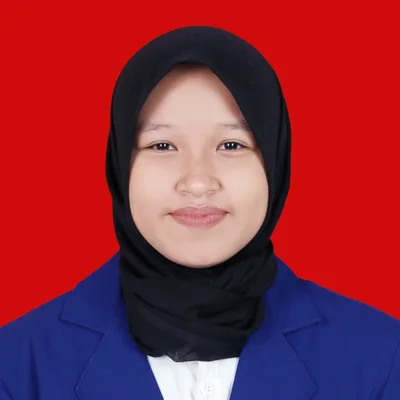
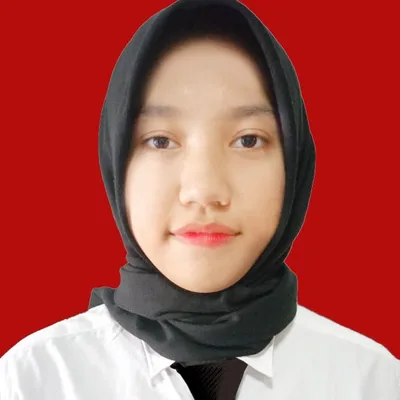
Our tutors are top students and alumni in English education and English literature from leading Indonesian universities, patient and fun for children.
Tutor Qualifications
- Students and alumni in English Education and English Literature from leading universities
- Passed language skills and teaching-children assessments
- Trained in phonics, songs, stories, and Total Physical Response
- Understand the Cambridge YLE levels Starters, Movers, and Flyers
Nana N.
English Education, Universitas Negeri Yogyakarta
Learning while playing“Nana wraps lessons in games and songs, so children enjoy English before they realize they are learning.”
Salma S.
English Education, Universitas Negeri Surabaya
Vocabulary through pictures“Salma introduces new words through pictures and nearby objects, a way that makes them easy for children to remember.”
Hanum H.
English Education, Universitas Negeri Yogyakarta
Phonics for smart reading“Hanum teaches letter sounds through phonics, so children can guess how to read new English words.”
Mita M.
English Education, Universitas Negeri Yogyakarta
Speaking up early“Mita builds children's courage to say simple sentences, so they get used to speaking English without shyness.”

Whike W.
English Education, Universitas Negeri Medan
Songs and movement“Whike pairs songs with movement, so children learn vocabulary while moving and laughing.”

Dianing P.
English Education, Universitas Negeri Makassar
Patient with each child's pace“Dianing patiently matches the pace of each child, so even the shy ones feel comfortable joining in.”
Testimonials
Parents on This English for Kids Program
From the once-shy child to the one who now knows the songs by heart and answers the tutor, here is the change parents witnessed themselves.
My 5-year-old cannot read yet, but now knows many English songs and dares to answer the tutor's questions. The lessons are full of singing and play, so she always waits for her class.
Ibu Rahmawati D.
Parent of a 5-year-old • Jakarta
I was surprised my child could read an English word that was never taught. It turns out it is the phonics method, he can guess the sounds himself. Not memorizing like in my day.
Pak Budi I.
Parent of a grade 2 student • Bandung
My child's English grades at school went up, but what I am more grateful for is that she dares to speak. The tutor is patient and never scolds when the child makes mistakes.
Ibu Okta T.
Parent of a grade 4 student • Surabaya
My child attends an SPK school with English instruction and was struggling. With private lessons, he got one-on-one support until he could follow class calmly.
Ibu Iis A.
Parent of an SPK school student • Tangerang
We live in a small town and it is hard to find a good English course for kids. EduPoint's online lessons were the answer, the tutor is still fun with songs and games through the screen.
Pak Erfan P.
Parent of a grade 1 student • Balikpapan
I chose EduPoint because the content is clean and the tutor weaves in good values through stories. My child learns English while learning to share and be polite.
Ibu Nabila N.
Parent of a grade 3 student • Depok
My child took the Cambridge Starters exam and got a great result. The tutor prepared from scratch with practice that mirrors the exam but is packaged like a game, so my child was not tense.
Pak Bimo R.
Parent of a grade 3 student • Jogja
What I love is the monthly progress report. So I know where my child is, what vocabulary they have mastered, and what the next target is. Not aimless lessons.
Ibu Siti K.
Parent of a grade 5 student • Semarang
English for Kids Cost
Kids' English tutoring is priced per hour where everyone can see it. Sixty-minute sessions often fit younger children best, with 90 and 120 minutes there for older ones; families arrange anywhere between four and 28 sessions a month, and the complete cost is presented at registration.
Starting from
Rp 61.000 / hour
Final price is set at registration.
This is the lowest hourly rate, derived from the 28-session monthly plan at 120 minutes per session. Per-session prices (60, 90, or 120 minutes) appear in the format options above.
Flexible payment — QRIS, Virtual Account, Alfamart, Indomaret, transfer & e-wallets.
Price adjustments depend on your home city alone. Tutors can be swapped free, any number of times, until your child clicks with one.
English for Kids Availability
Online Tutoring
Online WorldwideOnline English for kids is available for families across Indonesia and abroad.
- The tutor guides through the screen with songs and games
- Sessions are recorded and can be replayed
- No transport cost
In-Person Tutoring
All CitiesIn-person English for kids, with tutors coming to your home in these cities.
Jakarta85+ tutorsBandung42+ tutorsSurabaya38+ tutorsDepok30+ tutorsTangerang28+ tutorsBekasi26+ tutorsBogor20+ tutorsSemarang18+ tutors
+4 more citiesStudent Achievements
A Child's Journey Learning English
Real development stories from EduPoint families.
Success
From Recognizing Sounds to Reading Alone
Riffat A.
Kindergarten B, Jakarta
Challenge
Riffat, age 6, could not read yet, and his parents wanted to introduce English without pressuring him.
Solution
The tutor started from phonics through songs and games. Riffat learned letter sounds then blended them into words while playing.
Journey
Month 1: Recognized letter sounds and sang phonics songs
Month 3: Blended sounds to read words like cat and sun
Month 6: Read simple short sentences on his own
Reading short sentences on his own in 6 months
“I was moved to see him read an English book with a smile. I thought it was too early, but it turned out to be just right.”
— Riffat's parent
Tutors:
Kak Ria A.
Success
A Shy Child Who Now Dares to Tell Stories
Aqila A.
Grade 4, Bandung
Challenge
Aqila understood English at school but was too shy to speak and afraid of being wrong.
Solution
The private format gave a safe space. The tutor used stories and light conversation, celebrating every sentence Aqila spoke.
Journey
Month 1: Dared to answer short questions
Month 4: Told weekend activities using past simple
Month 8: Passed Cambridge Movers-level practice with confidence
Grew confident up to Cambridge Movers level
“The biggest change is her courage. Good grades came along too, and now she likes to tell stories in English at home.”
— Aqila's parent
Tutors:
Kak Andres M.
Success
Ready to Write and Passed Cambridge Flyers
Rafa A.
Grade 6, Surabaya
Challenge
Rafa already spoke fluently but struggled to write in English and wanted to take the Cambridge Flyers exam.
Solution
The tutor guided writing step by step, from sentences to paragraphs, while practicing the Flyers exam format like a game.
Journey
Month 2: Wrote complete sentences neatly
Month 5: Wrote postcards and short stories
Month 9: Passed the Cambridge Flyers exam with a proud result
Passed Cambridge Flyers in 9 months
“He now writes a short diary in English. His Flyers certificate is on display in his room.”
— Rafa's parent
Tutors:
Kak Salsabila A.
FAQ
Before Your Little One Starts English for Kids
From the right starting age to the phonics method and Cambridge prep, here are the answers we give most often.
Complete Guide
Complete Guide to English for Kids
Guides & Tips
Supporting articles to help you decide and maximize learning outcomes.
How to Choose the Right English Tutoring for Your Child
The right English tutoring for kids adapts to your child's age and interests, uses the phonics method, and keeps learning enjoyable from the very first session.
How to Make Learning English Fun for Kids Through Play and Songs
A practical guide for parents who want their child to enjoy English early, with lively activities you can run at home.
How to Teach Your Child English at Home Without Being Fluent First
A parent's guide to building a daily English routine at home through stories, songs, and light conversation.
Stages of Learning English for Children From Scratch Until They Chat With Confidence
Seven sequential stages that carry your little one from hearing a foreign sound to forming their own sentences, traveled through light activities you can guide at home.
Related Programs
Other programs that might be suitable for you
Give Your Child a Joyful Start in English
Through a free consultation, our team helps find the learning stage and tutor that fit your child best.
Free consultation with no commitmentPatient and fun tutors for childrenswap tutors free at any time