#1 BIPA Course
Private BIPA Course: Indonesian for Foreigners
One student, one tutor, learning Indonesian from basic greetings and simple sentences to fluent conversation for living, working, and studying in Indonesia. Taught by certified tutors experienced with foreign learners, online worldwide or in person in your city.

70+
tutors
520+
students
4.9
rating · 2,288 reviews
60+
cities
What is BIPA Course?
A private BIPA course is one-on-one Indonesian for foreigners: BIPA stands for Bahasa Indonesia bagi Penutur Asing, meaning Indonesian for speakers of other languages. Lessons run from basic greetings to fluent conversation for daily life, work, and study in Indonesia, with material following each learner's goal. Tutors are experienced with foreign learners, teaching online worldwide or visiting in person.
- One student, one tutor, with Indonesian material following your needs
- Start from zero, with English as the medium at first
- Tutors experienced teaching foreigners, trained to explain every rule
- Follows BIPA levels mapped to the CEFR framework
- Online worldwide or in person in your city
Services
Learn Indonesian from Anywhere: Online, at Home, or with Family
Whatever the format, the curriculum takes you from basic greetings to fluent, polite conversation.
Online BIPA Course
Learn via Zoom with digital materials, ideal for learners abroad and those already in Indonesia.
Rp 126.000/session
60 minutes
Price for the 28-session monthly plan. Fewer meetings, higher price per session.
- Learn from anywhere in the world
- English as the medium for beginners
- Sessions recorded for review
- Perfect for preparing before moving to Indonesia
In-Person BIPA Course
A tutor comes to your home or office for live speaking practice with pronunciation and cultural context.
Rp 126.000/session
60 minutes
Price for the 28-session monthly plan. Fewer meetings, higher price per session.
- Tutor visits your home or office
- Live everyday conversation practice
- Pronunciation and intonation correction
- Introduction to local cultural context
Small Group BIPA Course
Learn together with a partner, family, or colleagues for livelier conversation practice.
Rp 119.000/session
90 minutes
Price for the 28-session monthly plan. Fewer meetings, higher price per session.
- 2-3 learners per group
- Great for expat families
- Lower cost per learner
- Dialogue and roleplay together
BIPA Learning Stages
Four progressive stages, from basic greetings to fluency for work and study.
Survival (BIPA 1-2)
No Indonesian yetLearn greetings, simple sentences, numbers, and survival phrases for daily life such as shopping, ordering food, and taking transport.
Subjects:
Greetings and introductionsNumbers, time, and pricesPhrases for markets and restaurantsBasic request sentences
Focus Areas:
- Confidence to greet and ask
- Understanding simple conversation
- Building survival vocabulary
- Correct pronunciation from the start
Conversation (BIPA 3-4)
Already know basic phrasesBuild longer sentences with ber- and me- affixes, tell stories about daily life, and hold two-way conversations with colleagues and neighbors.
Subjects:
ber- and me- affixesTalking about daily lifeTwo-way questions and answersWork and family vocabulary
Focus Areas:
- Fluent two-way conversation
- Using affixes correctly
- Following native pace and accent
- Confidence in social settings
Work & Study (BIPA 5)
Already conversationalUse Indonesian in professional and academic contexts: meetings, presentations, emails, and understanding more complex reading.
Subjects:
Formal register of IndonesianWork emails and presentationsReading news and documentsDiscussing abstract topics
Focus Areas:
- Communicating at work
- Writing neat formal messages
- Understanding complex reading
- Discussing deeper topics
Advanced (BIPA 6-7)
Aiming for near-nativeRefine fluency toward near-native level, understanding nuance, idioms, casual and formal registers, and subtle cultural context.
Subjects:
Idioms and everyday expressionsCasual and standard registersCultural nuance and politenessUKBI preparation if needed
Focus Areas:
- Near-native fluency
- Understanding nuance and humor
- Switching casual and formal registers
- Grasping subtle cultural context
BIPA Course Curriculum
Four core pillars built gradually and in balance.
Tutors adjust the emphasis to your goal. Expats and foreign spouses focus on conversation and culture, students add academic register, professionals deepen work language.
Everyday Conversation
Greetings, vocabulary, and sentences for everyday situations from the very first session.
- Greetings and introductions
- Everyday vocabulary
- Shopping and transport phrases
- Hearing and imitating the accent
Indonesian Grammar
The affix system, sentence structure, and patterns that make Indonesian feel logical to foreigners.
- ber-, me-, di- affixes
- Basic and complex sentence structure
- Prepositions and conjunctions
- Aspect and time markers
Language for Work & Study
The formal register of Indonesian for meetings, presentations, emails, and academic needs.
- Standard and formal register
- Email and correspondence
- Presentations and meetings
- Reading news and documents
Indonesian Cultural Context
Politeness, customs, and cultural nuance that make your language feel natural and accepted.
- Politeness and small talk
- Bapak, Ibu, Mas, Mbak address terms
- Casual and formal registers
- Etiquette in everyday conversation
Who It Is For
Expats, Spouses, Students, Professionals: All Start from the Same Indonesian
Expats & Professionals
Foreign workers relocating to Indonesia who want to bond with colleagues, teams, and daily life beyond the office.
Recommended:
Focus on conversation and work languagePractical phrases for office situations
Couples & Mixed Families
Foreign spouses married to Indonesians who want to grow close to in-laws, extended family, and the community around them.
Recommended:
Emphasis on greetings and politenessWarm phrases for family gatherings
Foreign Students & Researchers
Exchange students, scholarship holders, and researchers who need Indonesian for their studies and campus life.
Recommended:
Academic register of IndonesianScholarly reading and writing practice
Explorers & Diaspora
Culture lovers, retirees, and people of Indonesian heritage abroad who want to reconnect with the language and their roots.
Recommended:
Conversation and culture trackRelaxed material around personal interests
A Peek at the Material
The Secret of Affixes: One Root Word, Many Meanings
A peek at how the ber- and me- affixes work, the key that makes Indonesian grammar feel logical to foreigners.
BIPA Affix Worksheet
The root 'ajar' (teach) grows through affixes
ajarbelajarmengajarpelajar
pengajarpelajaranpengajaranajaran
Root word + affix becomes a new verb
main+ber-bermain (to play)
tulis+me-menulis (to write)
baca+mem-membaca (to read)
kerja+be-bekerja (to work)
Try to understand this simple sentence
Saya sedang belajar bahasa Indonesia di Jakarta.
Question: What does this sentence mean?
Answer: I am learning Indonesian in Jakarta.
For foreigners, affixes often feel confusing at first. Yet once you grasp the pattern, a single root word can grow into many new words in a regular way. This is what makes Indonesian vocabulary grow fast.
From Experience Teaching Foreign Speakers
Four Common Challenges When Foreigners Learn Indonesian
The obstacles we see most often in foreign learners, and how tutors work through them together with students.
Confusion over choosing ber-, me-, or di- affixes
Why it happens
Many languages have no affix system, so learners memorize finished words without grasping the pattern and end up guessing.
How we fix it
Tutors teach one affix pattern at a time through many real examples, until learners can form new words on their own in a regular way.
Sounding too stiff from knowing only textbook language
Why it happens
Apps and books often teach the standard register, while everyday conversation in Indonesia uses many casual forms that differ.
How we fix it
Through real conversation, tutors introduce the casual register alongside the formal one, so learners know when to use which.
Misusing the address terms Bapak, Ibu, Mas, or Mbak
Why it happens
Indonesian address terms depend on age, status, and closeness, something with no equivalent in many cultures.
How we fix it
Tutors practice address terms through real-situation roleplay, from greeting colleagues to in-laws, so learners get used to choosing the right one.
Mixing up the pepet 'e' and the 'ng' sound
Why it happens
The 'e' in 'enak' and 'emas' differ, and the 'ng' sound is often hard for certain speakers, so word meaning can shift.
How we fix it
Tutors model and correct pronunciation live in every session, the part that is hardest to get from self-study through apps.
Why Us
Tutors Experienced with Foreign Learners: That Is What Sets This BIPA Course Apart
Certified tutors guide you one-on-one, from basic greetings to work language, with a medium of instruction that fits your needs.
One Student, One Tutor
You set the pace. Practice speaking as much as you like without embarrassment, moving ahead without waiting for a class.
Experienced with Foreign Learners
Our tutors are native speakers trained to explain Indonesian from the foreign learner's perspective.
Adaptive Medium of Instruction
Start with English as the medium for beginners, then shift fully into Indonesian as your ability grows.
Mapped to the CEFR Standard
BIPA levels are mapped to the internationally recognized CEFR, so learning targets are clear and easy to explain.
Transparent Per-Session Pricing
Clear costs from the start, per session, with no obligation to buy a long package upfront.
Online Worldwide
Learn from anywhere before or after moving to Indonesia, with schedules that fit your time zone.
Selected BIPA Tutors
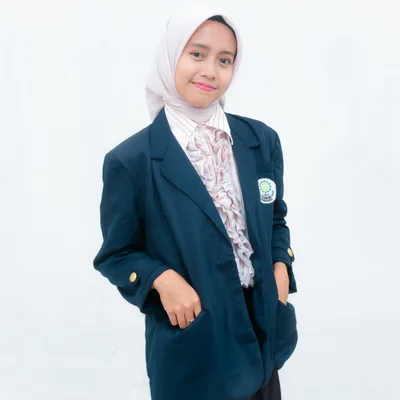
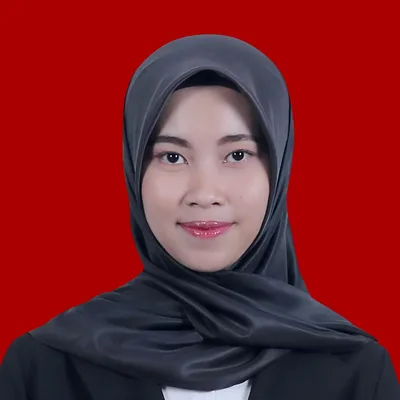
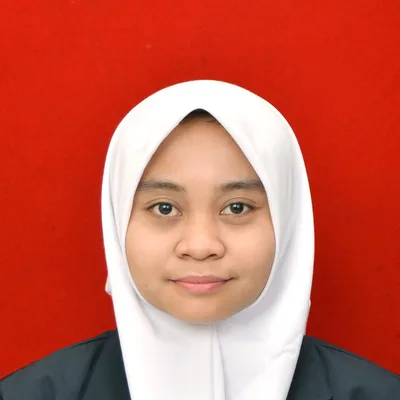
Our tutors are graduates of Indonesian Language and Literature Education and Linguistics from leading universities, experienced with foreign learners and able to adapt the medium of instruction to each learner's needs.
Tutor Qualifications
- Graduates of Indonesian Language and Literature Education and Linguistics from leading universities
- Experienced teaching foreign learners with a patient, step-by-step approach
- Able to use English as the medium for beginners
- Understand the Indonesian cultural context that helps learners feel accepted
Cipa A.
Indonesian Language Teaching, UIN Sunan Gunung Djati Bandung
Grammar and the affix system“When the ber- and me- patterns are learned one at a time through real examples, the system starts to feel tidy for foreign speakers. I love seeing students finally build new words on their own.”
Lusi L.
Indonesian Language Education, Semarang State University
Conversation for beginners“From the very first session I get students chatting about everyday things. That is where the courage to speak grows faster than memorizing word lists ever could.”
Lastri S.
Indonesian Language Education, Indraprasta PGRI University
English medium for total beginners“Many of my students start from zero, so early explanations often use English first. I add more Indonesian gradually until they feel comfortable speaking on their own.”
Nabil N.
Indonesian Language Education, PGRI Adi Buana University Surabaya
Indonesian for work“For professionals, I drill work language through meeting simulations and email writing. The goal is simple: what we cover in a session can be used at the office the very next day.”
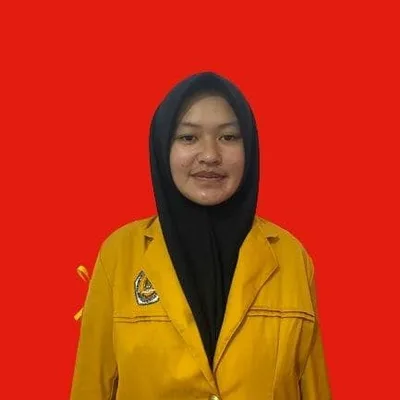
Emev E.
Indonesian Language Education, STKIP PGRI Bandar Lampung
Pronunciation and casual register“The pepet 'e' and the 'ng' sound are often tricky, so I correct pronunciation live in every session. I also introduce the casual register so students do not sound stiff outside the textbook.”
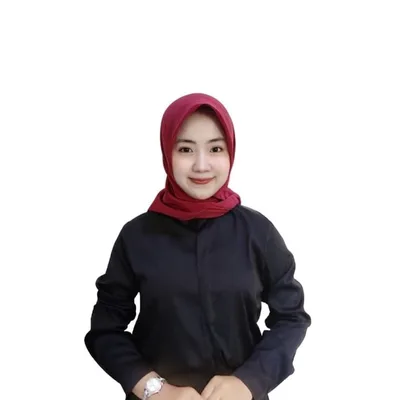
Nimas N.
Indonesian Language Education, Semarang State University
Cultural context and politeness“The terms Bapak, Ibu, Mas, and Mbak carry unwritten rules that I practice through roleplay. The aim is for a student's Indonesian to feel natural and accepted in everyday social life.”
Testimonials
From Merely Surviving to Truly Feeling at Home in Indonesia
Honest experiences from EduPoint foreign learners, from expats who want to bond with their team to spouses who want to be accepted by family.
I moved to Jakarta for work and could only say terima kasih. After a few months of private lessons, I can now join small talk with my team and order food on my own. My tutor was patient and started everything in English.
Mr. James T.
Expat, professional in Jakarta • Jakarta
I married an Indonesian and wanted to be close to my in-laws. I used to only smile when the extended family gathered. Now I can greet and reply politely, and I feel far more accepted.
Ms. Yuki T.
Foreign spouse of an Indonesian family • Bandung
I started learning Indonesian months before relocating to Bali. By the time I arrived, I could already handle daily situations. The recorded sessions made it easy to review whenever I had time.
Mr. David K.
Incoming resident in Bali • Bali
As an exchange student, I needed Indonesian for class and campus life. My tutor helped with the academic register alongside everyday conversation. Now I can follow class discussions comfortably.
Mr. Chen W.
Exchange student • Yogyakarta
The affixes confused me a lot at first, especially ber- and me-. My tutor broke it down pattern by pattern with real examples, and suddenly it clicked. Now I can build new words on my own.
Ms. Sophie L.
Professional, learning online • Surabaya
I relocated to Indonesia and wanted to respect the local culture. Learning the right greetings and small talk made my daily interactions with neighbors far warmer. My tutor tailored it to my office situation.
Ms. Hannah B.
Professional relocating to Indonesia • Jakarta
I needed Indonesian for my research on local communities. My tutor balanced reading practice with conversation so I could both interview people and read documents. The cultural notes were just as valuable as the grammar.
Mr. Aiman R.
Foreign researcher • Makassar
My family is of Indonesian heritage but I was born abroad and never learned the language. Through these lessons I can finally chat with my relatives in Indonesia. It feels like coming home to my own roots.
Ms. Min-ji P.
Diaspora of Indonesian heritage • Medan
BIPA Course Pricing
BIPA classes for foreign speakers are charged at an hourly price with nothing blurred. Conversation and Indonesian grammar sessions come in 60, 90, and 120-minute formats, at 4 to 28 meetings monthly as the learner requires, and the total is computed in the open at enrollment.
Starting from
Rp 102.000 / hour
Final price is set at registration.
This is the lowest hourly rate, derived from the 28-session monthly plan at 120 minutes per session. Per-session prices (60, 90, or 120 minutes) appear in the format options above.
Flexible payment — QRIS, Virtual Account, Alfamart, Indomaret, transfer & e-wallets.
Rates adjust to your city within Indonesia. The final amount is always displayed before a learner pays.
BIPA Course Availability
Online Tutoring
Online WorldwideThe online BIPA course is available to foreign learners worldwide, both those already in Indonesia and those preparing to relocate from abroad.
- Great for learners abroad
- Sessions recorded for review
- Medium of instruction adapts to your needs
In-Person Tutoring
All CitiesIn-person BIPA course, with tutors visiting your home or office in the following cities.
Jakarta16+ tutorsBali10+ tutorsBandung8+ tutorsSurabaya8+ tutorsJogja9+ tutorsTangerang6+ tutorsDepok5+ tutorsBekasi5+ tutors
+4 more citiesStudent Achievements
Indonesian Learning Journeys
Real progress stories from EduPoint foreign learners.
Success
From Only Knowing Terima Kasih to Bonding with the Office Team
Mr. Lukas M.
Expat, professional in Jakarta
Challenge
Lukas moved to Jakarta for work without any Indonesian, and felt isolated when the team chatted casually outside of meetings.
Journey
Month 1: Mastered greetings and daily survival phrases
Month 4: Held two-way conversations with colleagues
Month 8: Joined casual team chat with confidence
Able to chat casually with the office team in eight months
Tutors:
Kak Putri Tunjung S.
Success
An Exchange Student Who Finally Felt at Ease on Campus
Ms. Mei L.
Exchange student, Yogyakarta
Challenge
Mei came for a one-year program and struggled to follow class discussions and campus administration in Indonesian.
Journey
Month 1: Understood simple conversation and instructions
Month 3: Followed class discussions with support
Month 6: Discussed and read academic texts comfortably
Following Indonesian-language lectures in six months
Tutors:
Kak Yusnia Nanda A.
Success
A Foreign Spouse Who Finally Felt Accepted by Family
Mr. Omar A.
Professional, married into a family in Bandung
Challenge
Omar married into an Indonesian family and felt awkward unable to greet or chat when the extended family gathered.
Journey
Month 1: Mastered greetings and basic polite sentences
Month 3: Could greet in-laws and answer simple questions
Month 5: Joined family conversation and shared jokes
Chatting warmly with the extended family in five months
Tutors:
Kak Ika Bonieta K.
FAQ
Frequently Asked Questions about the BIPA Course
The questions that come up most before starting, answered honestly.
Complete Guide
Complete Guide to the BIPA Course
Related Programs
Other programs that might be suitable for you
Welcome! Start Learning Indonesian Today
A free consultation to set your goal, match you with a tutor experienced with foreign learners, and plan a schedule from basic greetings to language for work and study.
Free consultation with no commitmentTaught by tutors experienced with foreignerstutor changes are always free