1,264 Elementary Civics Tutors in 60+ Cities
Private Elementary Civics Tutoring: Pendidikan Pancasila for Grades 1 to 6
Indonesian elementary civics starts with the world closest to the child and widens each phase: family and school in grade 1, the neighbourhood up to the district (kecamatan) in grade 3, the regency and province in grade 5. Our civics tutors follow that path and teach with examples from the learner's own surroundings, at home or online.
1,264+
tutors
12,370+
students
5
rating · 3,712 reviews
60+
cities
What is Elementary civics tutoring?
Elementary civics tutoring at EduPoint is one-to-one Pendidikan Pancasila support for grades 1 to 6, at home or online. A plan of 28 sessions a month, 120 minutes each, brings the rate down to its lowest, Rp48.000 an hour. Lessons cover four strands, Pancasila, the 1945 Constitution, Bhinneka Tunggal Ika and the Unitary State, using everyday examples.
- The subject's official name is now Pendidikan Pancasila. Report cards under Kurikulum 2013 called it PPKn, and most people still say PKn.
- Each phase of Pendidikan Pancasila takes its targets from BSKAP decree 046/H/KR/2025, which took effect on 16 July 2025.
- The same four strands run through Phases A, B and C, and the area each one covers grows with every phase.
- The civics grade is built from assessments at school and written on the report card, since the TKA SD tests only Mathematics and Bahasa Indonesia.
Services
Ways to Take Elementary Civics Tutoring
Materials and teaching approach are the same in all three formats. Pick the one that fits the learner's timetable and learning style.
In-Person at Home
A civics tutor comes to the learner's home. This suits grades 1-2 especially, where picture cards, colouring and hands-on props help most.
Rp 77.000/ 90-minute session
Price on the 28-session monthly plan, 90-minute sessions. Fewer meetings, higher price per session.
- Tutor visits the home
- Symbol cards and teaching props
- Tutor travel is already included in the rate
Online Lessons
Online civics lessons use Zoom or Google Meet, together with a digital whiteboard and shared documents. Session recordings can be replayed when the learner revises a chapter before a summative test.
Rp 62.000/ 60-minute session
Price on the 28-session monthly plan, 60-minute sessions. Fewer meetings, higher price per session.
- Zoom or Google Meet
- Digital whiteboard and shared documents
- Session recordings
- Available to learners abroad
Small Group
Two learners share one tutor, for example classmates or siblings. Deliberation practice and conversations about diversity come alive when there is someone to talk with.
Rp 47.000/ 60-minute session
Price on the 28-session monthly plan, 60-minute sessions. Fewer meetings, higher price per session.
- Price per learner for a group of two
- Groups of three also available
- Good for deliberation role-plays
Online and in-person cost the same — the gap between these cards is session length, nothing else.
Three Phases of Pendidikan Pancasila, Three Circles of Community
All four strands appear in every phase. What grows is the reach: from the family, to the neighbourhood, and then to the regency, city and province.
Phase A · Grades 1-2
Family and schoolLearners get to know the flag, the national anthem, the Garuda Pancasila emblem and the symbol for each principle, and practise following rules at home. The motto Bhinneka Tunggal Ika comes through things they meet daily: their classmates' hobbies, languages and faiths.
Subjects:
Pancasila symbols and principlesRules within the familyThe Bhinneka Tunggal Ika mottoHome and school as part of Indonesia
Focus Areas:
- Pairing each symbol with its principle through pictures and games
- Practising rules through everyday routines
Phase B · Grades 3-4
RT, RW, village, districtEach principle is now tied to daily behaviour and to the character of the people who drafted Pancasila. Learners sort rights from duties as family members and as members of the school, and place their RT, RW, village or kelurahan and district within the territory of Indonesia.
Subjects:
What each principle means in daily lifeRights and duties at home and at schoolEthnic, language and faith identitiesThe local neighbourhood within Indonesia
Focus Areas:
- Telling rights from duties through real situations
- Respecting classmates from different backgrounds
Phase C · Grades 5-6
Regency, city, provinceReading gets longer: the timeline of how Pancasila was born, how the principles fit together as one whole, types of norms, the Preamble of the 1945 Constitution, and deliberation (musyawarah) to agree on shared rules. The territory in view widens to the regency or city and the province, with mutual help (gotong royong) framed as a way of defending the nation.
Subjects:
The birth of PancasilaNorms, rights and duties of citizensThe Preamble of the 1945 ConstitutionRegencies, cities and provinces within Indonesia
Focus Areas:
- Ordering events on a timeline
- Practising deliberation in short role-plays
What Civics Lessons Cover, Grade by Grade
The chapters below follow the Kurikulum Merdeka Pendidikan Pancasila textbooks published by the Ministry of Education. Tutors match the order to whatever chapter the learner's school is on.
In the grade 2 and grade 5 books, chapters 1 and 2 fall in the first semester and chapters 3 and 4 in the second. If the school uses a companion book or a different order, the tutor follows the school's schedule.
Grade 1
Getting to know oneself, classmates and the national symbols learners see around them.
- Me and My Friends
- I Follow the Rules
- Getting to Know Indonesia: the flag, the anthem, the Garuda Pancasila emblem
- Me and My Surroundings: gotong royong at school
Grade 2
Behaviour that reflects the principles, and diversity among friends.
- I Act in the Spirit of Pancasila
- Let's Follow the Rules
- Me and My Friends: hobbies, different yet together, symbols of religious diversity
- I Care for My Environment
Grade 3
The year opens with I Am a Child of Indonesia, then moves into the core of Phase B.
- I Am a Child of Indonesia: Bahasa Indonesia as the language of unity
- What the Pancasila principles mean in daily activities
- Rules at school and in the neighbourhood
- Respecting differences in culture, ethnicity, language and faith
Grade 4
Phase B topics taken deeper before learners move up to Phase C.
- Rights and duties as a family member and a member of the school
- The character of the people who drafted Pancasila
- RT, RW, village or kelurahan and district as Indonesian territory
- Working together across ethnic, social and cultural differences
Grade 5
History, norms and cultural diversity are now studied in more detail.
- Pancasila in My Life: its birth and the example of its drafters
- Norms in My Life
- The Cultural Diversity of My Indonesia
- Me and My Community: gotong royong and the third principle
Grade 6
The close of elementary school: Pancasila as a unifier, and the learner's place as a citizen.
- Learning Pancasila the Enjoyable Way
- Living Pancasila for Shared Happiness
- Norms, Rights and Duties in National and Civic Life
- The Preamble of the 1945 Constitution and deliberation to reach consensus
Who It Is For
Who Elementary Civics Tutoring Is For
A grade 1 learner needs something very different from a grade 6 learner. Lessons adapt to the grade, the chapter and the way each child likes to learn.
Grade 1-2 learners meeting the national symbols for the first time
Learning through pictures, the national anthem and games, in sessions kept short enough to hold their attention.
Recommended:
60-minute sessionsIn-person at home
Grade 3-4 learners facing more reading
Rules, rights and duties, and diversity all need plenty of examples. The tutor helps learners find their own from home, school and the local neighbourhood.
Recommended:
90-minute sessionsIn-person or online
Grade 5-6 learners ahead of summative assessments
The birth of Pancasila, norms and the Preamble of the 1945 Constitution are revisited step by step before mid-semester and end-of-semester summatives.
Recommended:
90 or 120-minute sessionsA chapter summary every lesson
Indonesian elementary learners living abroad
Online lessons help learners keep up with Pendidikan Pancasila from the national curriculum, scheduled around their local time zone.
Recommended:
Online lessonsTimes set to the learner's time zone
Where civics gets hard
Where Elementary Learners Most Often Get Stuck in Pendidikan Pancasila
Many ideas in this subject are abstract, while young learners understand fastest through things they can see, hold and do themselves. These four come up most in civics tutoring sessions.
Mixing up the principle symbols in grades 1-2
Why it happens
Five pictures on the Garuda shield have to be matched to long principle statements. A 2025 study at a state elementary school in Surabaya found grade 2 learners struggled both to memorise the symbols and to picture them, because symbolic ideas feel abstract.
How we fix it
The tutor uses picture cards, colouring the shield and matching games. Then the learner names one everyday action for each symbol, so the memory has something to hold on to.
Rights and duties blurring together in grade 4
Why it happens
A 2025 study of grade 4 learners at an Islamic elementary school found they had trouble separating rights from duties at home and at school, and explaining what counts as a violation. Understanding came when learners took part directly.
How we fix it
The tutor starts from the learner's own daily routine. The learner sorts what they receive from what they are expected to do, and only then puts the definition into their own words.
Gotong royong learned only as a definition
Why it happens
A 2024 study in a grade 4 class at a state elementary school recorded an average score of 50 for the gotong royong unit across 22 learners. Causes included teaching methods that felt dull and limited interaction between teacher and learners.
How we fix it
In a private session the learner plans one small shared task, such as tidying the study corner with someone at home, then describes how the jobs were split. The third principle is discussed from that experience.
The sequence of how Pancasila was born, grades 5-6
Why it happens
Phase C packs the historical timeline, the attitudes of the drafters and the links between the principles into one chapter. That is a lot of names, events and order to keep in mind at once.
How we fix it
The tutor builds a timeline with the learner, one event per card. The learner then retells the sequence, and anything left out becomes the starting point of the next session.
The research findings quoted here come from third-party education journals and describe the schools where each study took place.
Why Us
What Learners Get from PPKn Tutoring at EduPoint
Practical things that keep lessons running smoothly week after week.
A tutor matched to the grade
The EduPoint team finds a civics tutor who fits the learner's grade, school curriculum and timetable. Whoever registers simply shares what the learner needs during the consultation.
Weekly reports on WhatsApp
Parents or guardians receive notes on the topics covered, the parts that still need revisiting and suggested practice for the coming week.
Materials in the learner app
Through app.edupoint.id learners can open self-study materials and session recordings to revise outside lesson time.
Free tutor replacement
When the way a tutor explains Pancasila and the four strands does not click with the learner, the team lines up a replacement tutor at no added cost, and the swap can happen as often as the learner needs.
Lessons any time from 06.00 to 23.00
Sessions of 60, 90 or 120 minutes can be set anywhere in that window, fitted between the school day and whatever else fills the learner's week.
Primary Civics (PKN) Tutors with Pancasila and Civic Education Degrees
The Pendidikan Pancasila tutors on this page studied Pancasila and Civic Education (PPKn) or Civic Education at university. Matching takes into account the learner's grade, the chapter currently running at school, and the schedule and place of study they choose.
Tutor Qualifications
- A degree in PPKn or Civic Education, as recorded in the tutor's education history
- Knows the chapter sequence of the Kurikulum Merdeka Pendidikan Pancasila textbooks from Phase A to Phase C
- Turns abstract ideas such as norms, rights, and duties into examples from the learner's home, classroom, and neighbourhood
- Writes a short note after each session: chapters understood, parts to revisit, and practice for the next meeting
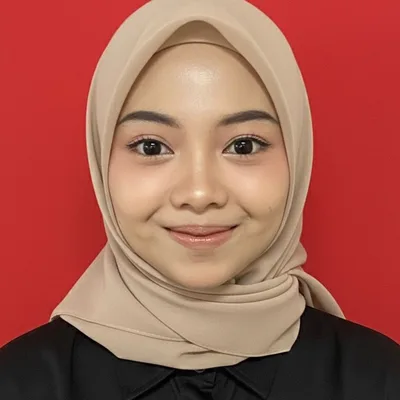
Ica S.
Pancasila and Civic Education, Universitas Pendidikan Indonesia; Pre-service Teacher Professional Education (PPG Prajabatan), Universitas Pasundan
Pancasila symbols for the early grades“The emblems on the Garuda shield are easier to remember once each symbol has a story. Ica studied Pancasila and Civic Education at Universitas Pendidikan Indonesia, then pre-service teacher education at Universitas Pasundan, and opens grade 1 and 2 sessions with pictures, colours, and the national anthem learners already know.”

Arjuna A.
Pancasila and Civic Education, Universitas Negeri Yogyakarta
The drafting of Pancasila told as a story“At Universitas Negeri Yogyakarta, Arjuna studied Pancasila and Civic Education. With grade 5 learners he tells the birth of Pancasila as a sequence of events, complete with its drafters and their sessions, so learners can retell it in their own words.”
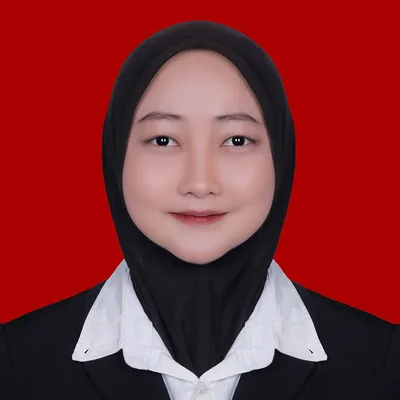
Rini I.
PPKn (Pancasila and Civic Education), Universitas Negeri Semarang
Rights and duties through classroom rules“Rights and duties are easily confused when both are memorised as definitions. Rini, a PPKn graduate of Universitas Negeri Semarang, has grade 4 learners take apart their own class rules and cleaning roster: what they are entitled to, what they must do, and what follows when a rule is broken.”
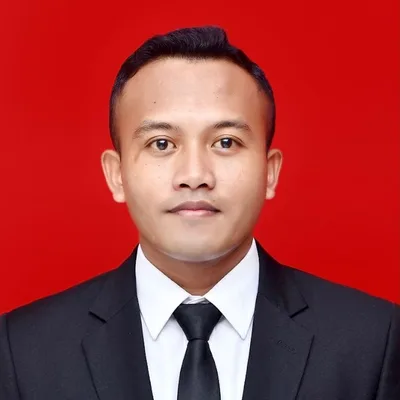
Jul J.
Pancasila and Civic Education, Universitas Mataram
The territory of Indonesia, starting from home“Grade 4 introduces the RT, RW, village or ward, and sub-district as parts of Indonesia's territory. Jul, a Pancasila and Civic Education alumnus of Universitas Mataram, builds a tiered chart with the learner starting from their full home address, so the order of these units feels close at hand.”
Grace G.
Pancasila and Civic Education, Universitas Mulawarman
Cultural diversity and working together“Diversity of ethnic groups, languages, and faiths becomes a lively discussion in Grace's sessions. She draws on her Pancasila and Civic Education studies at Universitas Mulawarman to have learners compare traditional houses, regional dress, and holidays, then put into words how people cooperate across those differences.”

Al A.
PPKn (Pancasila and Civic Education), Universitas Muhammadiyah Purwokerto
Deliberation and the Preamble to the 1945 Constitution“How does a class decide where to go on a field trip? Al, a PPKn graduate of Universitas Muhammadiyah Purwokerto, opens the grade 6 material on deliberation and the Preamble to the 1945 Constitution with questions like that, then learners practise reaching a shared decision in a small simulation.”
Elementary Civics Tutoring Fees
Rp48.000 an hour is the lowest rate, reached by booking 28 sessions in a month at 120 minutes each.
Starting from
Rp 48.000 / hour
Final price is set at registration.
This is the lowest hourly rate, derived from the 28-session monthly plan at 120 minutes per session. Per-session prices (60, 90, or 120 minutes) appear in the format options above.
Register & Get a QuoteFlexible payment — QRIS, Virtual Account, Alfamart, Indomaret, transfer & e-wallets.
The registration form works out the final fee once the number of lessons, their length and the format are settled. Every payment method is accepted: Indomaret, Alfamart, card, e-wallet, QRIS, Virtual Account and bank transfer.
FAQ
Questions About Elementary Civics Tutoring
Short answers on fees, materials and how to register for Pendidikan Pancasila lessons.
Elementary civics tutoring costs as little as Rp48.000 an hour for learners who take 28 sessions a month, each lasting 120 minutes. The final figure depends on the number of sessions, the length of each one (60, 90 or 120 minutes) and the format, and the registration form calculates it in full. For in-person lessons, tutor travel is already included in the rate.
Yes. The tutor works from whatever chapter the class is on, whether it comes from the Kurikulum Merdeka Pendidikan Pancasila textbook or a companion book the school uses. Learners can bring their book, worksheets or homework notes to the first session so the tutor sees right away where they are.
The tutor starts with the pictures first, and the long principle statements follow later. The learner colours or arranges symbol cards, matches them to the principles, then names one everyday action for each symbol. These short drills repeat over several lessons until the learner can pair them unaided.
No. The 2026 TKA SD covers only Mathematics and Bahasa Indonesia. Civics grades come from the classroom teacher, who checks each chapter as it runs (formative) and then sets summatives at mid-semester and term end. Lessons therefore centre on the current chapter and on readiness for those summatives, whose results go on the report card.
At a tutoring centre one teacher usually handles many learners following the same sequence. In private tutoring one tutor works with one learner, or a small group of two or three, so the examples, pace and practice follow the chapter that learner is studying at school.
Complete Guide
The Complete Guide to Elementary Civics Tutoring: Pendidikan Pancasila, Grades 1 to 6
All three names point to the same subject. Kurikulum 2013 called it PPKn, short for Pendidikan Pancasila dan Kewarganegaraan (Pancasila and Citizenship Education). The current curriculum names it Pendidikan Pancasila, with phase-by-phase learning outcomes set out in BSKAP Head Decree 046/H/KR/2025, in force since 16 July 2025. In everyday conversation most people still say PKn, so whichever name you use when registering for elementary civics tutoring, our team will know what you mean.
The subject is built from four strands that appear in every elementary grade: Pancasila, the 1945 Constitution of the Republic of Indonesia, Bhinneka Tunggal Ika (unity in diversity), and the Unitary State of the Republic of Indonesia (NKRI). The same four strands come back each year with a wider scope. Younger learners meet them through the flag, the national anthem and the rules at home. Older learners revisit them through history, norms and the provinces of Indonesia.
This repeating pattern is useful to anyone helping a learner study. When a grade 5 learner gets stuck on the chapter about norms, the gap may well sit further back, in an earlier grasp of rules, rights and duties that never quite settled. A civics tutor who reads the four strands as one continuous thread can trace that gap to its source and close it before moving on to the next chapter.
Kurikulum Merdeka splits elementary school into three phases, and Pendidikan Pancasila has a different focus in each one.
Phase A covers grades 1 and 2. Learners get to know the national flag, the national anthem, the symbols and principles of Pancasila, and the rules within the family. The grade 1 textbook opens with chapters on friends and following rules, then introduces the Garuda Pancasila emblem and gotong royong (working together) at school. In grade 2, learners begin linking each principle to everyday behaviour and meet the symbols of Indonesia's religious diversity.
Phase B covers grades 3 and 4. The scope widens to school and the neighbourhood: what each principle means day to day, rights and duties as a family member and as part of the school community, and the RT, RW, village or kelurahan and subdistrict as parts of Indonesian territory. Learners also practise respecting classmates whose ethnicity, language, religion or beliefs differ from their own.
Phase C covers grades 5 and 6, and here the material starts to carry many names, events and terms. Learners study the chronology of how Pancasila was born and the attitudes of its drafters, how the principles connect as a single whole, the types of norms, the Preamble to the 1945 Constitution, deliberation to reach shared agreements, and the regencies, cities and provinces of Indonesia. The grade 5 book has four chapters, two in each semester.
With this map in hand, PPKn private tutoring can start from the phase the learner is in now, stepping back briefly to an earlier phase whenever a basic idea needs shoring up.
Several parts of elementary Pendidikan Pancasila are documented as difficult in primary education research. Knowing them early lets a tutor aim practice where it counts.
Pancasila symbols in grade 2. A study at an elementary school in Surabaya (JPPGSD Unesa, 2025) found learners struggled to memorise and picture the symbols because the ideas are abstract. Tutors usually begin with pictures and cards, pair each symbol with its principle, then ask for one real-life action per principle.
Rights and duties in grade 4. Research at SDIT Al Kautsar (Journal of Citizenship Values, 2025) found learners had trouble telling rights apart from duties at home and at school. The ideas stick better when examples come from the learner's own home and classroom, so the tutor has them sort their daily activities into two columns.
Gotong royong in grade 4. A study at a state elementary school (Jurnal Basicedu, 2024) recorded an average score of 50 on this topic, citing low motivation, unengaging methods and limited teacher-learner interaction among the causes. One-to-one sessions leave far more room for questions.
History and norms in grades 5 and 6. The sequence of events behind Pancasila is easier to remember on a timeline the learner draws, and the types of norms become clearer through rules the learner already knows.
Lesson one works as a quick check across the four strands: the tutor asks about Pancasila symbols, rights and duties, and the chapter now on the timetable, notes which ones wobble, and builds practice around those. A grade 1 or 2 learner often settles well into 60 minutes, while a grade 6 learner revising norms and history may want 90 or 120. A monthly package holds between 4 and 28 sessions.
Elementary Pendidikan Pancasila grades are earned at school. Teachers use formative assessment while each chapter is under way, then summative assessment at mid-semester and at the end of the semester or school year. The results go on the report card.
The 2026 Academic Ability Test (TKA SD), based on Permendikdasmen Regulation 9 of 2025, tests only Mathematics and Bahasa Indonesia, so Pendidikan Pancasila is not among its subjects. The TKA is also optional. Learners who skip it can still apply through the SPMB achievement track with their report cards, which means the civics grade on that report card counts alongside every other subject.
Grade 6 learners also sit the National Assessment from 2026, which is made up of the AKM literacy and numeracy test, the Character Survey and the Learning Environment Survey. It sits apart from the subject grades on the report card.
That is why elementary civics tutoring centres on the chapter in progress and on getting ready for school summatives. Helpful practice before a summative includes rereading each chapter summary, answering questions in the learner's own words, and naming a real example from their own life for every principle or rule. When the learner brings a study grid or practice sheet from school, the tutor shapes practice around it. Progress goes out every week on WhatsApp to the parent or guardian, listing the chapters covered and the parts that still need another pass.
Almost everything in Pendidikan Pancasila can be found close to the learner. House rules, the queue at the school canteen, a neighbourhood meeting, the Monday flag ceremony and a friend celebrating a different religious holiday are all real versions of the chapters in the book. Elementary learners remember most easily what they discover in their own surroundings.
Support at home does not need to be long. A short chat after school about that day's chapter already shows what has landed and what has not. Whoever keeps the learner company at study time can ask the questions, whether that is a parent, an older brother or sister, a grandparent or a cousin.
If the learner takes civics lessons, these notes from home are useful to the tutor. Pass on the chapter that caused confusion or the question the learner asked, so the next session goes straight to that point. Civics lessons can sit anywhere in the learner's week between 06.00 and 23.00, either at home with a visiting tutor or online through Zoom or Google Meet. A few small habits worth trying at home:
- 1Draw up house rules together, then talk through which ones are rights and which are duties.
- 2During flag ceremonies or national holidays, ask which symbols and principles they noticed.
- 3Use the home address to introduce the RT, RW, kelurahan, district, city and province as parts of Indonesia.
- 4Ask the learner to retell a lesson in their own words before memorising lines from the book.
- 5Explore diversity through friends and neighbours: regional languages, local dishes and different religious holidays.
Guides & Tips
Supporting articles to help you decide and maximize learning outcomes.
More Programs for Elementary Learners
Other private lessons elementary learners often take alongside civics.
Tell Us the Grade and the Civics Chapter in Progress
The EduPoint team will find an elementary civics tutor who fits the learner's timetable and needs, for in-person lessons at home or online.
Grades 1 to 660, 90 or 120-minute sessionsWeekly reports on WhatsApp