Elementary SBdP Tutoring
SBdP Tutoring: Visual Art, Music, Dance, and Craft
SBdP is more than drawing. Arts-education tutors guide children to draw, sing, dance, and make crafts, then present their work neatly in their notebooks. Whether the tutor comes over or teaches online, a 60-minute session begins at Rp62,000.

320+
tutors
1,400+
students
4.9
rating · 2,376 reviews
60+
cities
What is SBdP Tutoring?
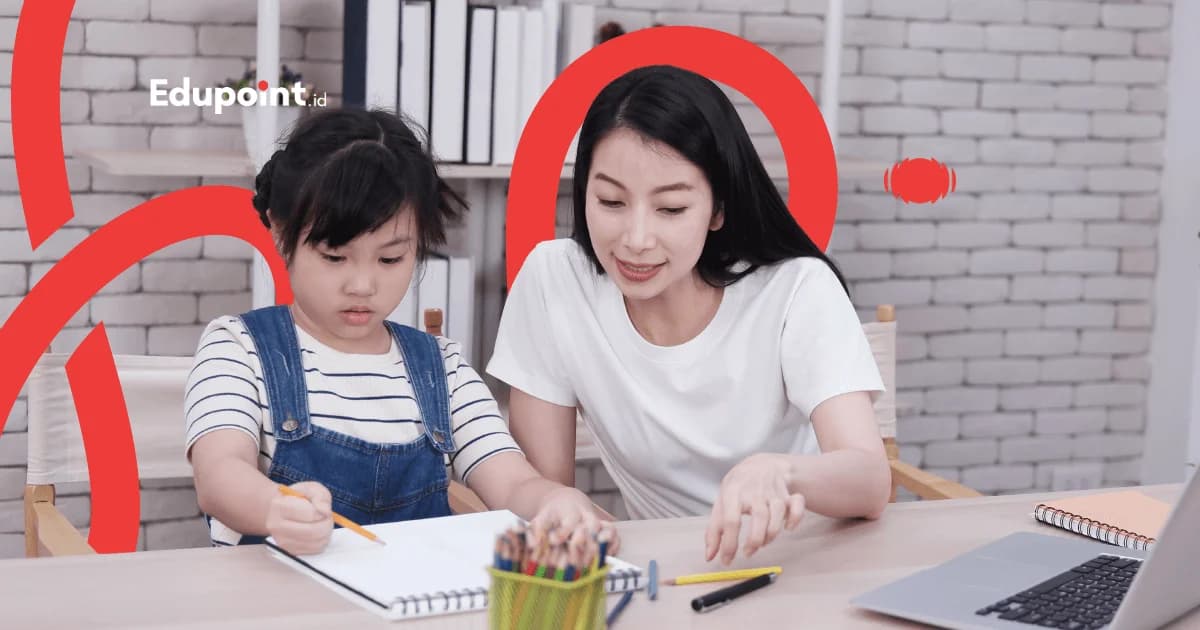
SBdP tutoring is learning support for the Arts and Crafts (Seni Budaya dan Prakarya) subject for elementary students. This single subject holds four strands at once: visual art, music, dance, and craft. Tutors help children grasp the basic theory, practice the skills, and then prepare the work and assignments so they are ready for the teacher's assessment at school.
- Four strands: visual art, music, dance, and craft
- Aligned with the Merdeka Curriculum and the school's KTSP
- Basic art theory explained in simple language
- Work and assignments tidied up for assessment
- Great for children who feel shy or untalented
Services
SBdP Tutoring Formats: At Home, Online, or in a Small Group
Pick the format that fits your child's art practice. Craft and visual-art strands often feel more comfortable in person because they need tools and materials.
In-Person SBdP Tutoring
The tutor comes to your home and guides the child directly while drawing, coloring, or making crafts.
Rp 77.000/session
90 minutes
Price for the 28-session monthly plan. Fewer meetings, higher price per session.
- Tutor comes home with sample works
- Ideal for visual art and craft that need materials
- Can use the child's own school books and tasks
Online SBdP Tutoring
Learn art theory, music appreciation, and assignment prep via Zoom or Google Meet.
Rp 62.000/session
60 minutes
Price for the 28-session monthly plan. Fewer meetings, higher price per session.
- Good for theory, music, and art appreciation
- Materials prepared at home before the session
- More flexible scheduling for busy children
Small-Group SBdP Tutoring
Learn together with two or three friends, great for practicing dance and music ensembles.
Rp 47.000/session
60 minutes
Price for the 28-session monthly plan. Fewer meetings, higher price per session.
- Dance and music ensembles feel more alive
- Children learn to collaborate on group work
- Lower cost per child
SBdP Learning Stages from Lower to Upper Grades
1
Grades 1-2
Discover and TryChildren get to know colors, sounds, movement, and materials. The focus is daring to try without fear of mistakes.
Focus Areas:
- Coloring and recognizing colors
- Singing children's songs and clapping rhythms
- Simple movement and song
2
Grades 3-4
Build the SkillsChildren learn visual-art elements, read rhythm patterns, and make crafts from materials around the house.
Focus Areas:
- Line, shape, and composition
- Rhythm patterns and percussion instruments
- Crafts from recycled materials
3
Grades 5-6
Create and PerformChildren make more complete works, understand the meaning of regional art, and get ready to perform in school shows.
Focus Areas:
- Story drawings and posters
- Regional dances and songs of the archipelago
- Craft works to exhibit
Supported Curricula
SBdP material is adjusted to the curriculum and books used by the child's school.
Merdeka Curriculum
Treats art as a means of expression and Pancasila Student Profile through creative projects.
- Exploration and expression
- Art appreciation
- Thematic craft projects
KTSP / 2013 Curriculum
The SBK/SBdP structure with four art strands and per-competency assessment.
- Visual art
- Music
- Dance
- Craft
Local Regional Arts
Introduces local arts that often appear in a school's local-content lessons.
- Regional songs
- Traditional dances
- Regional crafts
Who It Is For
Who Is This SBdP Tutoring For?
Children Who Feel Untalented in Art
Children who say they cannot draw or feel shy to sing. Tutors show that art is a skill that grows through practice, with talent being only a small part of it.
Recommended:
Patient, supportive tutorsStart from small steps
Children With Piling Art Tasks
Children with many craft and art assignments left unfinished. Tutors help arrange and tidy them so they are ready for assessment.
Recommended:
Assignment supportWork management
Children About to Perform at School
Children joining art shows, drawing contests, or dance at school who want more focused practice.
Recommended:
Performance prep practicePerforming-arts tutor
Parents Unsure How to Help
Parents who want to accompany their child's work but feel unsure of the art theory. Tutors bridge the gap so home support feels more confident.
Recommended:
Explanations for parentsHome practice notes
What SBdP Really Holds
Four Strands in One SBdP Subject
Many people think SBdP is only drawing. In fact this single subject holds four different strands, and each one has its own way of learning.
Tutors recognize which strand a child struggles with, then guide according to the character of each strand.
Visual Art
Line, color, and shape
Learning to draw, color, and arrange shapes neatly, from the element of line up to story-drawing composition.
What is practiced
- Recognizing line, shape, and color
- Coloring neatly with simple gradients
- Story drawing and making posters
Why it matters at school: Visual art appears most often in daily elementary tasks, so the basic skill supports a child's grades and confidence.
Music
Rhythm, pitch, and song
Learning to sing children's and regional songs in tune, recognizing rhythm patterns, and playing simple percussion instruments.
What is practiced
- Singing with correct pitch and tempo
- Reading simple rhythm patterns
- Playing percussion such as the tambourine
Why it matters at school: The music strand trains rhythmic sensitivity and the courage to perform, often assessed through singing practice in front of the class.
Dance
Movement and expression
Learning basic dance movement, syncing movement with music, and recognizing regional dances of the archipelago.
What is practiced
- Basic head, hand, and foot movements
- Dancing to counts and accompaniment
- Recognizing simple regional dances
Why it matters at school: Dance trains body coordination and teamwork, especially when a child is asked to perform in a group at a school show.
Craft
Making work from materials
Learning to make crafts from materials around the house, from folding and gluing to assembling simple functional pieces.
What is practiced
- Folding, cutting, and gluing neatly
- Making crafts from recycled materials
- Sequencing the steps of making a piece
Why it matters at school: Craft produces real work submitted to school, so neatness and step completion influence the assessment.
Why these four strands cause trouble at home
Each strand needs different tools, examples, and approaches. When all four arrive in turn within one semester, parents often struggle to prepare for them. SBdP tutors help map out each strand's needs from the start, so art tasks no longer become a last-minute surprise before a deadline.
Commonly Missed in SBdP
The SBdP Mistakes We See Most Often
Because it is seen as a light subject, SBdP is often done carelessly. These are the things we most often correct while guiding a child.
Art tasks done by the parent
Why it happens
Wanting a neat result, parents end up finishing part of the task themselves.
How we fix it
The child should create, the tutor guides the process. Work that is slightly less neat but truly the child's own is more valuable and matches the goal of assessment.
Coloring just to fill, with no direction
Why it happens
The child chases finishing, not neat stroke direction.
How we fix it
Practice coloring in one direction and keeping inside the edges. Consistent strokes make a drawing look far neater without expensive tools.
Singing by chasing loudness
Why it happens
The child thinks good singing means being as loud as possible.
How we fix it
Focus on correct pitch and tempo, not volume. Singing in tune is valued more than simply being loud.
Skipping craft steps
Why it happens
The child wants it done fast and jumps over important stages.
How we fix it
Arrange the steps from the start: prepare materials, measure, cut, then assemble. Following the order makes the work neater and less likely to fall apart.
Dance only memorized, movement stiff
Why it happens
The child memorizes the sequence without feeling its rhythm.
How we fix it
Practice moving with counts and musical accompaniment. Movement that blends with the rhythm looks more fluid than mere memorization.
Regional works seen as old-fashioned
Why it happens
The child is less interested in regional songs or dances.
How we fix it
Connect regional works with the story and meaning behind them. When a child knows the story, regional arts feel more alive and worth learning.
Fixing these small habits makes a child's work look more complete and supports their practical grade.
Why Us
Why SBdP Tutoring at EduPoint
Art guidance that respects a child's process. A polished piece matters, the courage to create matters more.
Tutors From Arts-Education Backgrounds
Tutors come from visual art, music, dance education, and elementary teaching, so they understand how to teach each SBdP strand to elementary children.
All Four Strands Covered
One service covers visual art, music, dance, and craft, so you do not need separate tutors for each strand.
Respecting the Child's Effort
We encourage children to create on their own without being compared, so their courage grows and they enjoy the process.
Aligned With School
The material follows the curriculum and tasks from the child's school, so the support directly answers assessment needs.
EduPoint SBdP Tutors
Tutors with arts-education and elementary-teaching backgrounds, used to guiding children to create without judging.
Tutor Qualifications
- Backgrounds in visual art, music, dance education, or elementary teaching
- Used to teaching elementary-age children in a fun way
- Understand SBdP assessment in the Merdeka Curriculum and KTSP
- Encourage children to create bravely without fear of mistakes
Gandhi G.
Dance, Indonesian Institute of the Arts Yogyakarta
Dance movement and the courage to perform“His Dance background at the Indonesian Institute of the Arts Yogyakarta lets Gandhi read a child's stiff body, then break a complex movement into small steps that are easy to follow.”
Resti R.
Performing Arts Education, Indonesian Institute of the Arts Yogyakarta
Preparing for school art performances“For Resti, a school performance is a memory a child carries for years. She rehearses with them until they know their part and feel calm stepping onto the stage.”
Mey M.
Music Education, Medan State University
Vocals and children's song rhythm“Children often think singing means being loud. This Music Education graduate from Medan State University guides them to listen for the pitch first, then sing it accurately.”
Brilian B.
Dance Education, Yogyakarta State University
Regional dance and movement coordination“Brilian loves introducing regional dance through the story behind it. Once a child knows what a movement means, the counts and the music become easier to feel.”

Jeff J.
Music Composition, Indonesian Institute of the Arts Yogyakarta
Rhythm patterns and percussion instruments“From his Music Composition studies, Jeff is used to splitting a rhythm that sounds hard into simple claps, until a child can play it along with a smile.”
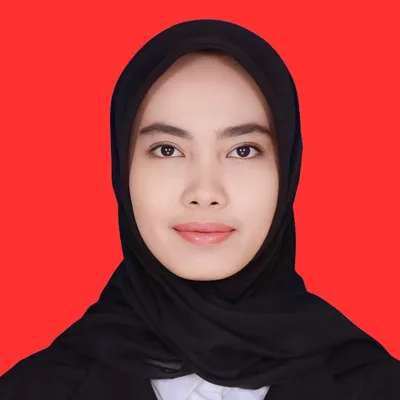
Caca C.
Elementary School Teacher Education, Ahmad Dahlan University
Integrated SBdP and assignment support“As an Elementary School Teacher Education graduate from Ahmad Dahlan University, Caca knows the four SBdP strands arrive in turns. She helps children arrange materials and steps so every art task finishes without panic.”
Testimonials
What Parents Say About SBdP Tutoring
My child always said they could not draw and felt embarrassed during SBdP. After tutoring, they started daring to try and proudly show me their drawings.
Ibu Rahmalia N.
Parent of a 3rd grader • Bandung
Craft homework used to be a drama because I got confused too. The tutor taught my child the steps themselves, so now they can do it without always being helped.
Pak Rio K.
Parent of a 4th grader • Surabaya
My child joined a singing contest at school and felt shy because their voice was soft. The tutor trained their pitch, and they performed far more confidently than before.
Ibu Farida L.
Parent of a 5th grader • Jakarta
I thought SBdP was a light subject, but it turns out there are four different strands. The tutor explained them all patiently, so I understood what to prepare too.
Ibu Esti R.
Parent of a 2nd grader • Semarang
My child was going to dance at the school art show. The tutor trained the movement and rhythm slowly until they memorized it and moved fluidly, not stiff like practicing alone at home.
Pak Reza R.
Parent of a 6th grader • Depok
My child's practical art grade used to be low because their work was often unfinished. With guidance, the tasks became neat and finished on time.
Ibu Nurul H.
Parent of a 4th grader • Bekasi
What I like is that the tutor never compares my child's work with other children. My child feels safe to explore and finally enjoys their art lessons.
Ibu Imas C.
Parent of a 3rd grader • Tangerang
Online lessons turned out to work for art theory and appreciating regional works. My child got to know regional songs and dances, and understands their meaning and can retell them in his own words.
Pak Krisna M.
Parent of a 5th grader • Yogyakarta
SBdP Tutoring Cost
Arts-and-crafts (SBdP) mentoring, from drawing to music, works on a visible hourly price. Each creative session takes 60, 90, or 120 minutes, meeting counts sit anywhere between 4 and 28 per month as parents see fit, and the total is tallied clearly during registration.
Starting from
Rp 48.000 / hour
Final price is set at registration.
This is the lowest hourly rate, derived from the 28-session monthly plan at 120 minutes per session. Per-session prices (60, 90, or 120 minutes) appear in the format options above.
Flexible payment — QRIS, Virtual Account, Alfamart, Indomaret, transfer & e-wallets.
City location influences the hourly figure. You see the final amount first, then decide to pay.
SBdP Tutoring Availability
Online Tutoring
Online WorldwideOnline SBdP tutoring via Zoom or Google Meet is available for Indonesian families wherever they are.
In-Person Tutoring
All CitiesIn-person SBdP tutoring is available in the following cities
Student Achievements
The Change Parents Felt
Real achievements from EduPoint students
Success
From Shy to Draw to Proud to Create
Keanu R.
At first
The child always refused to draw and said they had no artistic talent.
Now
After learning the basic elements and coloring in one direction, they began daring to start and now love to show off their work.
Success
Craft No Longer a Weekend Burden
Sekar C.
At first
Craft homework always piled up and was rushed right before the deadline.
Now
The child learned to sequence steps and prepare materials earlier, so the work is now neat and finished without drama.
Success
Brave Enough to Dance at the School Show
Farhana P.
At first
The child hesitated to join the dance show because their moves felt stiff when practicing alone.
Now
With practice following the rhythm and counts, their moves became fluid and they performed confidently on show day.
FAQ
SBdP Tutoring FAQ
Complete Guide
Complete Guide to SBdP Tutoring
Related Programs
Other programs that might be suitable for you
Start SBdP Tutoring Now
Free consultation to find the art strand your child most needs support with.