Jogja (DIY)
Elementary Tutoring in Jogja
By the Numbers
3023+
Elementary tutors
10
areas in Jogja (DIY)
4.9average rating · 1,976 reviews
Highlights
In Jogja, EduPoint's primary school tutoring rests on 3,023 screened tutors who sit with children from grade 1 through grade 6 each day, most of them current students and graduates of the UNY primary-education program and other teaching campuses around the city. A single tutor concentrates on a single child, calling on homes across DIY such as Sleman, the city of Yogyakarta, Bantul, and nearby areas, or guiding the lesson online. The lessons track each child's school curriculum, and the hourly rate opens at Rp48,000, spelled out plainly from that very first chat.
- Our greatest asset in Jogja is teachers genuinely prepared for young children. Many took Primary School Teacher Education at UNY, joined by peers in teacher-training and psychology from campuses around Jogja such as UGM, UIN Sunan Kalijaga, Sanata Dharma, and others. We state that campus and major openly, so a parent can judge the fit well before the first session.
- For grade-six children we lay on focused support for the ASPD, whose score helps decide the junior-high pathway in DIY. The teacher firms up the core Mathematics, Indonesian, and Science, then gets the child used to comparable questions in gradual stages with sensible targets, so they stay calm through their final primary year.
- We match the lessons to the kind of school a child attends, be it a state school on Kurikulum Merdeka, a Muhammadiyah or Islamic integrated school weaving general subjects with religion, or a nature-and-culture school. The teacher looks first at what the school asks, then arranges daily homework support and practice before assessments.
Get Started
From
Rp48.000 / hour
Clear pricing
Lowest hourly rate. Per-session prices (60, 90, or 120 minutes) are listed in the format options below.
Overview
About Elementary Tutoring Jogja
Yogyakarta has long worn the name City of Students, and that respect for learning reaches back to Ki Hajar Dewantara, who founded the Taman Siswa schools here well before today's children pulled on their red-and-white uniforms. The inheritance still lives inside family homes, since many Jogja parents treat the primary years as the soil where the habits of reading, counting, and writing are sown for a lifetime. EduPoint's primary school tutoring in Jogja carries that spirit forward in a plain way, sending a teacher straight to the home, matching the lessons to whatever curriculum a child's school keeps, then mending the parts a child could not master in class.
One thing sets the primary journey in the Special Region of Yogyakarta apart, and that is the Asesmen Standardisasi Pendidikan Daerah. Grade-six children sit this test, and the score feeds into their application to junior high, whether by the zoning route or the achievement route. Because the stakes are real, Jogja families are used to preparing a child from the lower grades, while long working hours often leave little energy to sit beside a child in practice each night. Here our primary tutors step in, present at home to keep a child in steady practice and to settle their nerves before the assessments at school.
Jogja holds an advantage few other cities can match, a deep well of teachers-in-training growing up on its campuses. Universitas Negeri Yogyakarta runs a Primary School Teacher Education program with a standing among the most respected in Indonesia, and many of our primary tutors come from there. They are joined by peers in teacher-training and psychology from campuses around Jogja such as UGM, UIN Sunan Kalijaga, Sanata Dharma, UAD, UMY, and others. Today 3,023 of our primary tutors accompany families throughout DIY, and each teacher's campus and major are stated openly so parents can weigh the fit before the first session.
3023+
Elementary tutors in Jogja (DIY)
10
Coverage areas in Jogja (DIY)
4.9
Average rating · 1,976 reviews
Why EduPoint
Why Learn Primary School in Jogja with EduPoint
Most primary tutoring centers in Jogja place a child in one class of a dozen students and keep quiet about where their teachers studied, two things we open up from the start.
Our greatest asset in Jogja is teachers genuinely prepared for young children. Many took Primary School Teacher Education at UNY, joined by peers in teacher-training and psychology from campuses around Jogja such as UGM, UIN Sunan Kalijaga, Sanata Dharma, and others. We state that campus and major openly, so a parent can judge the fit well before the first session.
For grade-six children we lay on focused support for the ASPD, whose score helps decide the junior-high pathway in DIY. The teacher firms up the core Mathematics, Indonesian, and Science, then gets the child used to comparable questions in gradual stages with sensible targets, so they stay calm through their final primary year.
We match the lessons to the kind of school a child attends, be it a state school on Kurikulum Merdeka, a Muhammadiyah or Islamic integrated school weaving general subjects with religion, or a nature-and-culture school. The teacher looks first at what the school asks, then arranges daily homework support and practice before assessments.
Teachers call on homes across many parts of DIY such as Sleman, the city of Yogyakarta, Bantul, and their surroundings, or guide a child online when a family prefers that route. The child is spared a tiring afternoon trip, and every few sessions parents receive a progress note so a child's growth reads plainly from home.
Local Context
The Range of Primary Schools in Jogja and How Tutors Adapt
Jogja families may choose from a wide spread of primary schools, from state schools on Kurikulum Merdeka, to Muhammadiyah and Islamic integrated schools that tie general subjects to religious education, to schools rooted in nature and culture, and national-plus schools near the campus districts. Each kind carries its own demands, so our primary tutors watch first what school setting a child sits in before tuning their teaching to fall in line with that school's habits.
State Schools & Kurikulum Merdeka
Most Jogja children attend state primary schools on Kurikulum Merdeka with thematic learning. Our primary tutors firm up the base of reading, writing, and counting in the lower grades, then walk the child through story problems, IPAS, and project work in the upper grades along their learning-attainment phase.
Muhammadiyah & Islamic Integrated Schools
This city holds many Muhammadiyah and Islamic integrated schools that pair general subjects with iqra, tahfidz, and religious education. Teachers honor that content, helping a child keep up with general material while tending the rhythm of memorization and religious activities that mark their school.
Grade 6 ASPD Preparation
Grade-six children in DIY sit the Asesmen Standardisasi Pendidikan Daerah, whose score bears on the junior-high pathway. Our primary tutors solidify the core Mathematics, Indonesian, and Science, then train the child on ASPD-style questions one step at a time with reasonable targets.
Daily Homework Support & Study Habits
Jogja parents who work all day often find it hard to sit with a child over homework each night. Teachers help the child finish school tasks while planting the habit of independent, orderly study that will serve them into junior high.
Coverage Areas
Elementary Home Tutoring Coverage in Jogja
Sleman5 areas
DepokMlatiNgaglikGampingCondongcatur
City of Yogyakarta5 areas
UmbulharjoGondokusumanJetisKotagedeKotabaru
Bantul3 areas
KasihanSewonBanguntapan
Gunungkidul1 areas
Wonosari
Kulon Progo1 areas
Wates
Elementary tutors travel to your home
Our primary tutors reach homes across many parts of the Special Region of Yogyakarta, such as the busy districts of the city of Yogyakarta, the campus belt of Sleman, and the neighborhoods of Bantul, Gunungkidul, and Kulon Progo, and beyond. You set the learning hours with your family, usually the late afternoon or after school. Here are some of the areas we visit most often for primary tutoring in Jogja and its surroundings.
Our Tutors
Elementary Tutors in Jogja
Several of the EduPoint tutors who guide primary school lessons come from a range of teaching campuses and guide your child with patience.

Rijal M.
Sports Coaching Education, Universitas Pendidikan Indonesia
Active, disciplined learning habits for primary kids
“My background in sports coaching taught me that children learn best with small, cheerful routines. I walk primary students forward one step at a time while keeping their spirit bright.”
Musa R.
Javanese Language Education, Universitas Negeri Yogyakarta
Gentle Javanese language for young learners
“As a Javanese language education graduate, I love introducing polite speech and simple songs to primary children. I invite them to love their mother tongue through familiar stories and word games.”
Ira S.
English Education, Universitas Muhammadiyah Malang
Playful early English for primary students
“I believe primary children pick up English fastest through songs, pictures, and easy chats. My language education background helps me shape gentle steps so a child dares to speak.”
Syakina S.
Mathematics Education, Universitas Jambi
Strong number foundations for primary school
“My training in mathematics education makes me patient about building a child's counting base from the ground up. I make sure each idea is truly understood before we move on to the next.”
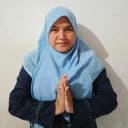
Meylisa S.
Mathematics Education, Universitas Sarjanawiyata Tamansiswa
Turning math word problems into clear pictures
“I enjoy turning word problems into pictures a primary child can easily imagine. From my mathematics education background, I coach children to read a question calmly and solve it slowly.”

Dikri S.
Mathematics Education, Universitas Pendidikan Indonesia
Building quick, confident arithmetic in kids
“As a mathematics education graduate, I train primary children to count in a way that makes numbers feel friendly. I stay beside them until they dare to finish a sum on their own.”
The profiles above are examples of tutors who have joined in this city. Your tutor is matched by the EduPoint team based on your needs, schedule, and location after registration.
Ways to Learn
Ways to Learn Elementary Tutoring Jogja
Every family in Jogja keeps its own rhythm, so we lay out three ways to learn primary subjects that you can choose and even blend. Two of them pour full attention onto one child, while the small group gathers a few children into one lighter-cost session.
Tutor Comes to You
A primary teacher drops by your home anywhere in DIY, so the child studies from their own table and skips the afternoon trip out to a tutoring center.
Online Learning
For Jogja families with packed days, a child-friendly online session runs over a video call, still private with your chosen teacher, and a fit when a child feels more settled learning at home.
Small Group
One teacher accompanies two to three children at a time at a lighter cost, a fit for siblings or neighborhood playmates who live close by and want to study together.
Who It Is For
Elementary Tutoring Jogja for Every Need
No two primary children in Jogja need the same thing. One is only meeting letters in grade one, another is drilling ASPD questions in grade six, a third attends an Islamic integrated school chasing both general subjects and memorization, and yet another has a focus that wanders easily. Before settling on how to teach, a Jogja primary tutor first learns where each child stands, then arranges the material, the pace, and the approach that suit the four groups below.
Grade 1-3 Children
Children in grades one to three are guided through sounding out words, writing, and meeting numbers in a light, cheerful way, so their confidence grows from the moment they set foot in primary school in Jogja.
Grade 4-6 Children
Children in grades four to six are strengthened on story problems, IPAS, and the lengthening thematic material, through measured practice until they are ready for the assessments at school.
ASPD Candidates
Grade-six children heading toward the Asesmen Standardisasi Pendidikan Daerah are drilled to firm up the core material and grow familiar with the question types used for junior-high selection in DIY.
Children Needing Extra Support
Children who are slow to grasp, shy, or hard to keep focused are accompanied with patience, and the teacher tunes their way of teaching to each child's character.
Material & Levels
Levels of Elementary Tutoring Jogja
Grades 1-2
Phase A: Early Foundations
Building reading fluency, number sense, and basic addition and subtraction. Ideal for a Jogja child just entering primary school who needs a foundation that is both solid and enjoyable.
Grades 3-4
Phase B: Strengthening Concepts
Training multiplication, division, reading comprehension, and the introduction of IPAS. At this level a child begins to be asked to reason in order, and the tutor guides the transition calmly.
Grades 5-6
Phase C: ASPD & Exam Preparation
Sharpening story problems, more complex thematic material, and readiness for the ASPD and final assessments, for a child preparing to complete primary school in Jogja.
Mathematics (arithmetic, story problems)Indonesian (reading, writing, comprehension)IPAS ThematicBasic Primary EnglishHomework Support & ASPD/Term Exam Preparation
We run primary tutoring in Jogja privately, one teacher accompanying one child, guided by the curriculum the child's school keeps, from Kurikulum Merdeka at state schools to the blend of general and religious lessons at Muhammadiyah and Islamic integrated schools. The teacher opens by lighting a fondness for learning, then leads the child to master the material a measured step at a time through simple examples and staged practice. Each meeting is squared with the lessons and homework the child is facing, and closes with a progress note so parents see their growth plainly.
Skills
Four Skills in Elementary Tutoring Jogja
In Jogja, our primary tutoring tends to four basic skills in balance, so a child grows whole and truly grasps the point of every lesson they work on.
Reading & Comprehension
A child is trained to read smoothly and then catch the sense of a passage, from short tales to story problems. This ability props up nearly every primary subject, and teachers build it through practice fitted to a Jogja child's age.
Arithmetic & Logic
A child is eased into quick figuring and orderly reasoning, from addition and division to unpacking mathematical story problems. Teachers walk through the ideas with everyday examples at home, so a child catches the logic and uses formulas with understanding.
Writing & Language
A child is guided to weave words into tidy sentences and paragraphs, in Indonesian as well as beginner-level English. This writing skill holds up school assignments, above all for a Jogja child whose language content shifts from one school to the next.
Independent Study Habits
A child is led to buckle down on homework, handle their time, and study on a regular beat. Teachers accompany them in growing this habit at home, a prized asset when they climb to junior high later on.
Elementary Tutoring Jogja Pricing
Starting from
Rp 48.000 / hour
Final price is set at registration.
This is the lowest hourly rate, derived from the 28-session monthly plan at 120 minutes per session. Per-session prices (60, 90, or 120 minutes) appear in the format options above.
Flexible payment — QRIS, Virtual Account, Alfamart, Indomaret, transfer & e-wallets.
In Jogja, what a primary-schooler's lesson costs turns on the grade and the length the tutor stays, all counted per hour: Rp62,000 an hour opens the hour-long visit, while the two-hour one on the 28-session plan averages Rp48,000 per hour, with a 90-minute option between them. The longer the block, the cheaper each hour. A tutor's home visit adds no travel of its own, since the trip is already counted inside the session rate. All these figures are stated in full from the opening conversation, with no binding large package and no charge cropping up later, so parents can plan the learning budget with ease.
How to Start
How to Start Elementary Tutoring Jogja
Getting primary tutoring under way in Jogja takes only four simple stages, running from an opening chat about a child's grade and hurdles to their first meeting with a teacher at home.
1
Free consultation
Over WhatsApp, tell us what grade your child is in, the name of their school, and the parts of a lesson that leave them stuck, and we mark the side of their primary learning in Jogja that most needs a hand.
2
Set the schedule
Name the day and hour that sit well with the child, often a late afternoon after school or a weekend when things feel roomier, plus how long each session runs.
3
Get matched with a tutor
Working from that account and those hours, we find a primary teacher who fits your home's location, the requested slot, the grade level, the school type, and your child's temperament in Jogja.
4
Start learning
The opening session gets going with the teacher at home, and from then on parents begin to receive word of their child's progress at regular intervals.
Tips
Tips for Choosing Elementary Tutoring Jogja
As you mull over primary tutoring in Jogja for your little one, four simple things are worth a close look so the teacher and the program truly answer the child's needs.
Choose a tutor patient with children
A teacher who works with primary children must be patient and gentle in speech. Pick a primary tutoring provider in Jogja whose teachers know their material and are content to sit with little ones, say graduates or students of PGSD and teacher-training.
Match the school's curriculum
Find out from the start whether a teacher can keep to the Kurikulum Merdeka or the Islamic integrated content your child's school adopts, so the tutoring moves in time with their everyday lessons and homework.
Pick a schedule that does not drain the child
Since a primary child's stamina drains fast, take an hour while the child still has energy to spare, usually the late afternoon once a school break ends, and choose the home-visit format so their strength is not spent on Jogja's roads.
Ensure open pricing and a tutor-replacement guarantee
Look over the per-session fee and the travel fee from the opening chat, then make sure a teacher can be swapped with ease should the child turn out to clash with their teaching style.
What Sets Us Apart
What Makes EduPoint Different for Primary School in Jogja
In Jogja, primary tutoring and bimbel places stand on many corners, though not every one of them is truly private, honest about pricing, and supple with a child's pace. The grid below sets EduPoint beside what most providers do so the difference shows plainly.
Attention to the child
EduPoint: One teacher focused on one child
Other Providers: A single class of a dozen children
Tutor's campus
EduPoint: Listed per teacher (PGSD UNY, UGM teaching, etc.)
Other Providers: Called experienced with no specifics
Where you learn
EduPoint: A home visit across DIY or online
Other Providers: Child driven to a branch
Pricing
EduPoint: Open, 60-minute sessions from Rp62,000
Other Providers: Large packages kept out of sight
Switching tutors
EduPoint: A teacher can be changed if the fit is off
Other Providers: Hardly ever promised
Student Stories
Elementary Tutoring Jogja Student Stories
Brave Enough to Read Aloud in Class
R., grade 2 pupil in Umbulharjo
Before: R. was slow to blend syllables and shy whenever asked to read aloud in class, so his enthusiasm for learning began to fade.
After: After regular primary tutoring with a tutor at home, he reads more fluently and now raises his hand to answer the teacher's questions.
Fluent and confident reading 4 months
Calm Facing the Grade 6 ASPD
A., grade 6 pupil in Depok, Sleman
Before: A. and her parents were anxious about the ASPD because she often slipped on mathematical story problems and reading comprehension.
After: Through focused practice with a Jogja primary tutor, she grew used to the ASPD question types and worked through them more calmly.
Ready for junior-high selection 6 months
Evening Homework No Longer Tense
N., grade 4 pupil in Kasihan, Bantul
Before: N.'s mother was often worn out sitting with him over homework after work, and evenings at home frequently turned tense.
After: Since a primary tutor started coming to the home, N. is used to finishing tasks in an orderly way, and family evenings feel comfortable again.
More orderly study habits 3 months
More
More About Elementary Tutoring Jogja
The map of primary schools in Jogja is varied on its own, and each kind asks a different adjustment of a teacher. There are state schools running Kurikulum Merdeka, Muhammadiyah schools that were in fact born in this city in 1912 and blend general lessons with religious education, Islamic integrated schools, and schools rooted in nature and culture. Because a single session of ours holds only one child, the teacher has room to read first what sort of school the child attends, then tune their teaching to keep step with that school's demands, something hard to pull off in a room of dozens of pupils.
Distances across Jogja are indeed friendlier than in the big cities, yet ferrying a primary child to a tutoring center every afternoon still wears down both the child and the parent. With a teacher who comes to the home, the child studies in a room they know, reaches the study table unworn by the road, and parents are no longer bound to the drop-off routine. At present 466 of our primary classes are running across the districts of DIY, most of them in the late afternoon once a child has rested from school.
The way we accompany a child rests on one plain belief, that progress grows from comfortable, steady study habits, unfolding slowly through patient guidance free of pressure and free of instant-grade promises. So a primary tutor in Jogja is asked to grow a fondness for learning first, then lead the child onward through the material by measured steps, right up to ASPD preparation in the final year. Every few sessions, parents receive a candid progress note covering the parts a child has mastered and those that still call for firming, so their growth reads clearly from home.
We guard a family's trust from the very search for a teacher. Each primary tutor in Jogja passes a screening stage before being asked to accompany a child, and our suggestion of a teacher is matched to the home's location, the grade level, the school type, and your child's temperament. Openness about each teacher's campus and major counts most for families trying home tutoring for the first time, hoping to be sure their child studies with the right person in a setting they watch over themselves.
- How much is private primary school tutoring in Jogja?
- Families here budget from Rp62,000 an hour for primary tutoring, while the 120-minute class, picked as part of the 28-session plan, delivers the strongest hourly value at Rp48,000 an hour. The longer the block, the cheaper each hour. Should a teacher travel to the house, the family pays no travel fee of any kind; that component already lives inside the session rate. Every amount is laid bare from the opening consultation, with no bulky package to tie you down and no fee cropping up afterward, so parents can shape the learning budget freely from the very start.
- Will the primary tutor come to our home in Sleman, Bantul, or the city of Jogja?
- Yes, gladly. Our primary tutors span the five parts of DIY and show up in areas such as Depok and Ngaglik in Sleman, Umbulharjo and Kotagede in the city of Yogyakarta, Kasihan and Sewon in Bantul, Wonosari in Gunungkidul, Wates in Kulon Progo, and their surroundings. If a child feels more settled learning without leaving the house, a remote session with that very teacher is on hand as well, still one tutor to one child and built to sit friendly with a primary-age child whose focus drifts easily.
- Can primary tutoring in Jogja prepare a child for the ASPD?
- It can, and this ranks among the requests Jogja families raise most often. For grade-six children, our primary tutors solidify the core Mathematics, Indonesian, and Science content examined in the Asesmen Standardisasi Pendidikan Daerah, then get them working through comparable question types in gradual stages. The drilling keeps to sensible goals that suit each child's ability and stays well clear of heavy pressure, so a child still savors that closing primary year while nurturing a score that helps steer the route into junior high.
- My child is slow to grasp lessons, is the tutor patient?
- No need to worry, this is precisely where private learning proves its worth. A child who takes longer to absorb a lesson needs added patience and a fresh way of explaining, and that is the everyday craft of our primary tutors. Because many trained in PGSD, teaching, or psychology and have long accompanied children aged 6 through 12, they revisit the material calmly, change tack when it helps, and hold on until the child genuinely gets it without feeling hurried.
- Can the primary lessons follow our child's school curriculum?
- Yes, and it is the earliest move we make of all. At the first meeting, a Jogja primary tutor asks what curriculum the child's school keeps to, whether Kurikulum Merdeka at a state school or the general-plus-religious content of the Muhammadiyah and Islamic integrated schools so common across Jogja. With that in hand, the teacher lays out homework support, practice before assessments, and firming-up of the topics that trip a child, so learning at home marches alongside the day's lessons in class.
- Which primary subjects does the tutor support?
- Every core subject falls under our primary tutors' care, from Mathematics, Indonesian, and IPAS to basic English. If a child trips most on one subject in particular, say column multiplication or reading comprehension, you may ask that the session zero in there. The teacher then shapes each meeting to the child's needs at their Jogja school, and daily homework support already sits inside it at no separate charge.
- Is there primary tutoring to prepare for a favorite junior high in Jogja?
- There is. For grade-five and grade-six children in Jogja aiming at favored state junior highs, say around the SMPN 5 or SMPN 8 Yogyakarta zones, our primary tutors strengthen the core material while readying the child for the ASPD, whose score feeds the achievement pathway. The staged drilling holds to reasonable goals fit for each child's capacity, so a child stays composed through the final primary year while gearing up for the next rung.
- What time does primary tutoring in Jogja usually take place?
- The hour most Jogja families lean toward is the late afternoon, once a child is home and has shaken off the school day, or the weekend when things feel easier. You pick the day and time yourself to fit the child's rhythm, and it can still slide if a school event or an urgent errand pops up, so a primary session never saps the child's energy. The shortest run we set is 60 minutes, letting a child finish well without tiring.
- My child turns out not to click with their primary tutor, can we switch?
- You may, and it costs nothing extra. A child's rapport with the teacher steers a good deal of their appetite to learn, so if a primary teacher's style or timing feels off, just let us know and we track down a replacement who fits better. This service guarantee sits here by design, keeping your child's primary learning in Jogja pleasant, smooth, and enjoyable through every stretch from beginning to end.
- Can siblings at one home join primary tutoring together in one session?
- Absolutely. We keep a small-group format of two to three children ready for just this case, whether siblings in one home or neighborhood friends who live nearby in Jogja. The cost each family bears grows lighter, while the teacher still spreads attention fairly by each child's grade and level, so nobody slips behind while that primary session runs.
- How can parents track a child's learning progress?
- Every few sessions along the way, a Jogja primary tutor draws up a note on the child's progress, covering the material already worked through, the gains now surfacing, and the parts still asking for reinforcement. Apart from that note, a mother or father may reach the teacher on WhatsApp any time to ask how a child's learning is coming along, so the whole process stays open and easy to trace from home even when work runs busy. Every channel of contact indeed runs through WhatsApp.
- What educational background do primary tutors in Jogja have?
- Before we trust one to accompany a child, each primary tutor passes through a screening stage first. A good many are students and graduates of the UNY Primary School Teacher Education program, joined by teacher-training and psychology peers from campuses around Jogja such as UGM, UIN Sunan Kalijaga, Sanata Dharma, UAD, UMY, and others, all equipped to grasp how a child learns. Our suggestion of a teacher is then tuned to the grade level, the school type, and your child's temperament in Jogja so the pairing truly clicks.
Have another question? Ask on WhatsApp
Still to find the primary teacher who clicks with your child in Jogja?
It begins with an easy, no-cost chat on WhatsApp, and we help you find a primary teacher who suits your child's grade, school, and character right across DIY, including Sleman, the city of Yogyakarta, and Bantul.